Craving more space, quiet nights, and room for animals or a garden? If you are eyeing Tumalo for small to mid-size acreage, you are not alone. The lifestyle can be deeply rewarding, but it comes with real responsibilities, unique costs, and a few rural curveballs. In this guide, you will learn what daily life looks like, how utilities and permits work, key risks to plan for, and a smart checklist to use on any property you tour. Let’s dive in.
Where Tumalo acreage sits
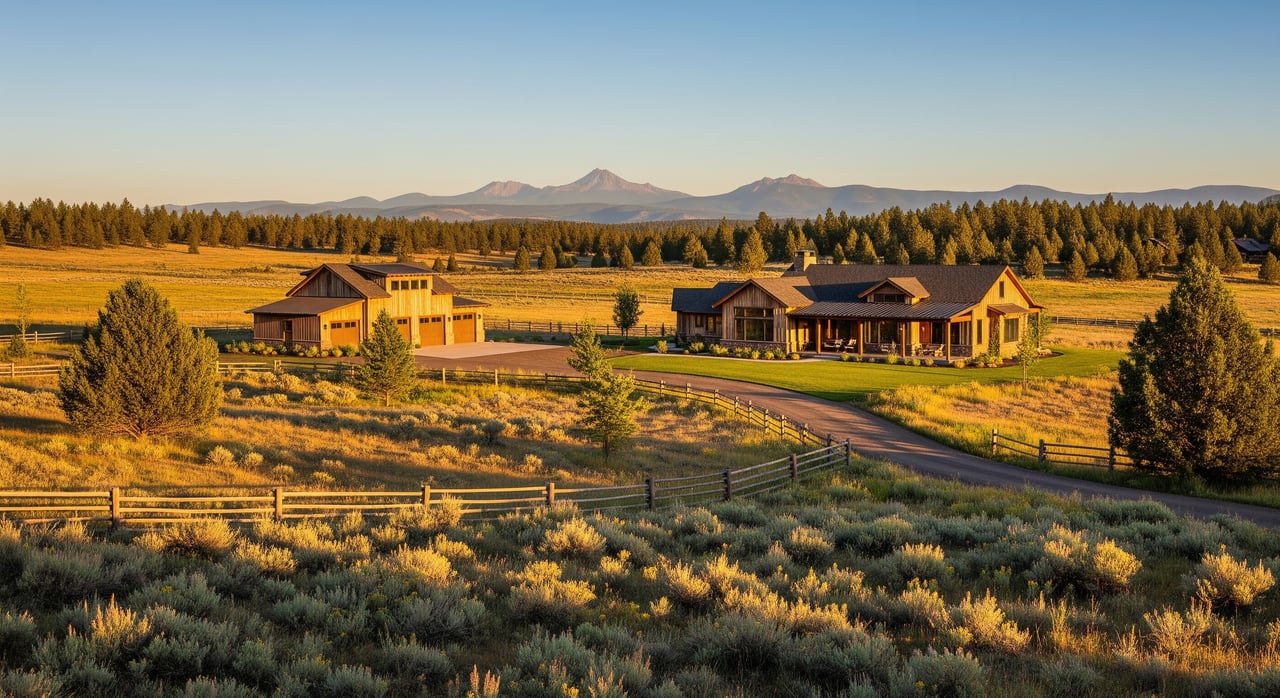
Tumalo sits just northwest of Bend in Central Oregon, with many acreage parcels spread along Tumalo Road and adjacent county roads. You will find everything from irrigated meadows near the Deschutes River to higher sage and juniper ground with big sky views. Most day-to-day shopping, medical care, and services are in Bend.
Drive times to central Bend often range from about 10 to 25 minutes depending on the exact parcel, traffic, and winter conditions. Always verify the commute for a specific address and plan extra time during storms or major events. Many properties are rural with private wells and septic systems, and long driveways. Some small subdivisions exist, but a large share of parcels are in unincorporated county areas without an HOA.
What “small” and “mid-size” acreage means
In local listings, small acreage often means about 1 to 5 acres, while mid-size acreage can run roughly 5 to 40 acres. Common use patterns include hobby farms, equestrian setups, gardens and orchards, homes with shops, and raw land held for future building. Terrain and vegetation vary by micro-location, so walk the property and consider seasonality before you decide.
Daily rhythms you can expect
Morning and evening routines
Acreage living adds a few new beats to your day. You may feed horses or small livestock, check fences and gates, and water gardens or trees in season. If you heat with wood or propane, you will keep an eye on fuel levels. In winter, you will watch the driveway and road conditions and plan ahead for school and work.
Recurring chores and time
- Landscape and pasture: mowing, weed control, and fence repair happen regularly, especially in spring and early summer.
- Water and waste systems: you will monitor well performance, schedule water testing, and plan septic inspections and pumping.
- Snow and access: long or steep drives require snow removal, either DIY or contracted.
- Fire mitigation: you will create and maintain defensible space, remove ladder fuels, and clean roofs and gutters.
- Equipment: tractors, ATVs, pumps, generators, and trailers all need upkeep.
Lifestyle tradeoffs
With acreage, you gain privacy, space, and incredible outdoor access. In return, you will spend more time and money on maintenance, fuel, and seasonal prep. Service response times can be slower in rural pockets. Many owners find the tradeoff well worth it, especially if you enjoy hands-on stewardship of your land.
Water, wells, and irrigation
Most Tumalo-area acreage relies on private wells. Well depth, yield, and water quality can vary widely even within a short distance. Always request a recent well report and pump test, and plan on periodic water quality testing. For legal and technical questions on wells and water rights, use the Oregon Water Resources Department as your primary reference.
Some parcels include irrigation rights through an irrigation district. Rights and delivery are legal facts tied to title, and they can affect land use for livestock or pasture. Confirm any claimed water rights through county records and OWRD before you assume a parcel can support irrigation. If you see ditches, pipes, or pumps on site, verify whether they are active and permitted.
Septic systems and on-site waste
Rural properties use on-site septic systems sized for the home’s bedroom count and usage. Records and maintenance history are important if you are buying, remodeling, or adding bedrooms. For local standards, permits, and system types, consult Deschutes County Environmental Health. You should review permits, as-built designs, and the date of the last pump or inspection during due diligence.
Power, heating, and communications
Electric service is provided by regional utilities that vary by parcel. Outages can happen in rural areas, so many owners keep a backup generator. Common heating systems include propane, electric, and wood. If you use wood or pellets, plan for storage and safe operation.
Internet and cell coverage on acreage can be variable. Options range from fiber in some built-out areas to DSL, fixed wireless, or satellite in more remote spots. Check coverage maps, talk to neighbors, and test on-site if possible. Do not assume your current provider will serve a new parcel.
Roads, access, and winter maintenance
Many parcels connect to county-maintained roads, but some access via private roads or easements with shared responsibilities. If the road is private, clarify who plows and pays. For winter, long shaded drives can stay slick for days, and blowing snow can drift in open meadows. Ask for the winter access history when you tour.
Building and permits on acreage
Building or expanding on acreage requires the usual county permits, and often a few site-specific approvals. Expect permits for the home, septic, well, and sometimes driveway approach or fire access. Rural projects can take longer than in-town builds, so plan your timeline accordingly. For planning, zoning, and building approvals, start with Deschutes County Planning.
Fire-safe construction can be recommended or required in certain areas. Consider non-combustible roofing, ember-resistant vents, and screened openings as part of your build or retrofit plan.
Wildfire risk and land management
Central Oregon sees significant wildfire risk, with a peak season in summer and early fall. Parcels near juniper and ponderosa can be especially vulnerable. Budget time and funds for defensible space, vegetation management, and ongoing cleanup. For guidance, follow the Oregon Department of Forestry and the national Firewise USA program.
If you plan to keep horses or small livestock, confirm what your zoning allows and whether water is adequate for your intended use. Grazing and animal care add daily tasks like pasture rotation, manure management, fencing, and feed storage. For weed control and pasture health in Central Oregon, the OSU Extension Service offers practical, science-based resources.
Properties near the Deschutes River or creeks may be subject to riparian buffers, floodplain rules, or wetland protections. If you are near waterways, verify setbacks and use limitations during due diligence.
Costs to expect and how to budget
Every acreage is different, but you can plan for two broad categories of spend.
One-time or capital items
- Tractor or hired excavation for driveways, arenas, and heavy work
- Snow removal gear or contracts
- Fencing, gates, corrals, or loafing sheds
- Well pump replacement or septic upgrades if older
- Fire mitigation, tree work, and ember-resistant retrofits
Ongoing annual costs
- Property taxes and rural homeowners insurance
- Electricity for well pumps, propane or wood for heat
- Septic pumping on a typical 3 to 5-year cycle depending on use
- Fuel, tires, and maintenance for trucks, tractors, and ATVs
- Pasture or hay purchases and veterinary costs if you keep animals
- Weed control and pasture management inputs
Insurance for rural properties can be higher, and wildfire exposure can affect availability and price. Get quotes for the specific address early in your process so you can plan.
Commute, seasons, and lifestyle benefits
Most buyers choose Tumalo for the space, views, and outdoor access. You can have backyard riding or hiking and short drives to trailheads and public lands. River corridors nearby offer tubing, fishing, and paddle sports. In winter, you will add time to your commute after storms and keep up on plowing or traction. For weather patterns and seasonal planning, check the National Weather Service Bend forecasts.
Spring often brings mud and intense weed growth. Summer is dry, with a focus on irrigation and fire prep. Fall is ideal for projects and planting. Winter is about safe access, frozen hose strategies, and steady routines for animals.
Verification checklist for any Tumalo property
Use this list as a starting point during due diligence. It will help you focus on the details that matter for rural living.
- Recent well report, pump test, and water quality results, plus any irrigation or water rights verified through the Oregon Water Resources Department
- Septic permits and design, last pump or inspection date, and capacity for current or planned bedrooms via Deschutes County Environmental Health
- Zoning, minimum lot size, setback requirements, and any covenants through Deschutes County Planning
- Utility providers for power, propane, trash, mail, and broadband; confirm service lines and realistic internet speeds
- Road maintenance responsibilities, shared agreements, and winter access history
- Fire history, defensible space needs, and local mitigation guidance via the Oregon Department of Forestry and Firewise USA
- Recorded easements for access and utilities, plus any conservation restrictions
- Property tax classification and current bills through the county assessor
- Floodplain or riparian restrictions if near the river or creeks
Is Tumalo acreage right for you?
If you want privacy, room for animals, and instant access to Central Oregon’s outdoors, Tumalo can be a great fit. Plan for the chores, budget for equipment and mitigation, and verify the details that define rural life. With the right parcel and a clear plan, you will gain the space and freedom you are seeking.
If you want a seasoned, local advisor who speaks acreage, barns, and water rights, connect with Heather Osgood. Heather blends Central Oregon roots with specialized, concierge-level representation for equestrian and lifestyle properties so you can move forward with clarity and confidence.
FAQs
How long is the commute from Tumalo to Bend?
- Plan on roughly 10 to 25 minutes to central Bend depending on the parcel, traffic, and winter conditions; verify the route and timing for the exact address.
What should I know about wells and water rights?
- Most parcels use private wells, and some have irrigation rights; always review a recent well report and confirm any rights with the Oregon Water Resources Department.
Are horses or livestock allowed on Tumalo acreage?
- It depends on zoning, parcel size, and available water; confirm allowances and stocking limits with Deschutes County Planning before you buy.
What is wildfire season like near Tumalo?
- Wildfire risk peaks in summer and early fall; plan for defensible space and follow guidance from the Oregon Department of Forestry and Firewise USA.
How often should I pump a septic system in Central Oregon?
- Many systems are pumped every 3 to 5 years depending on usage; verify your system’s design and maintenance needs with Deschutes County Environmental Health.
What internet options can I expect on rural parcels?
- Options range from fiber in some built-out areas to DSL, fixed wireless, or satellite; confirm real-world speeds on-site and with neighbors before you decide.