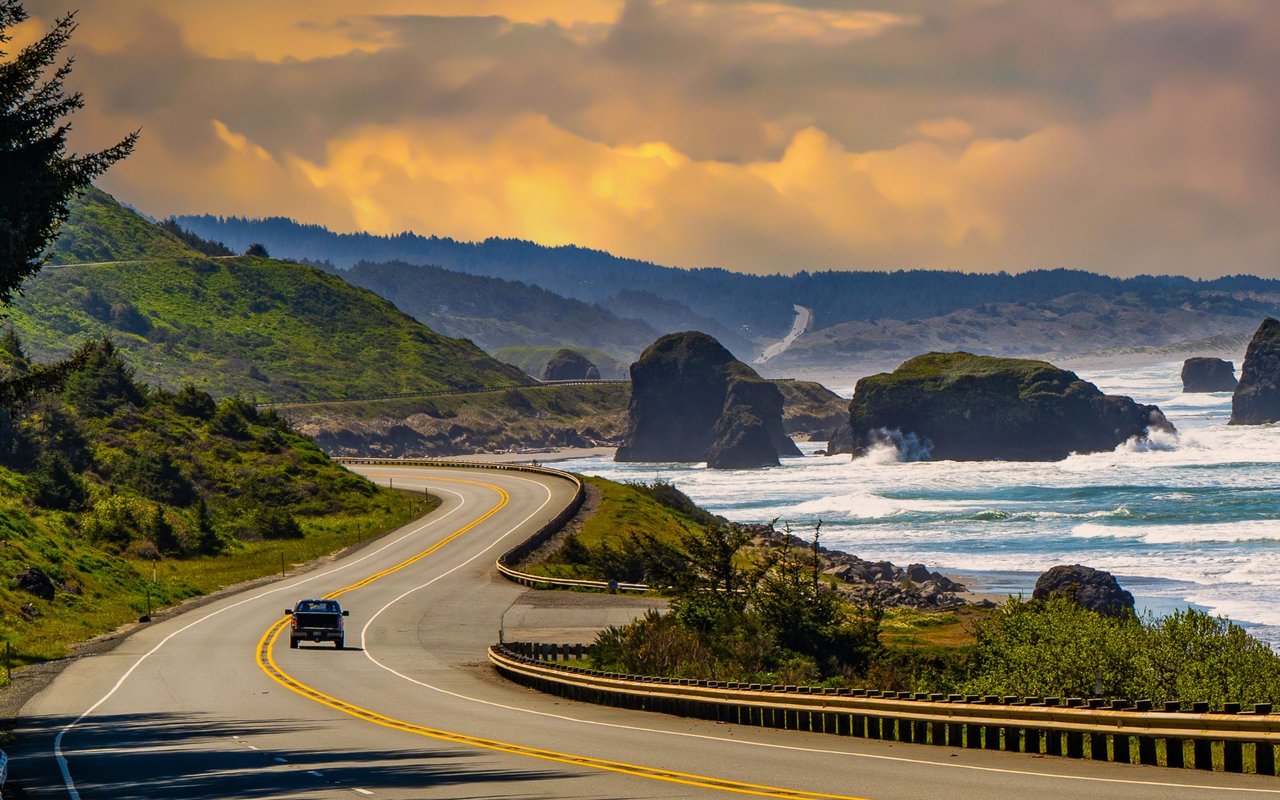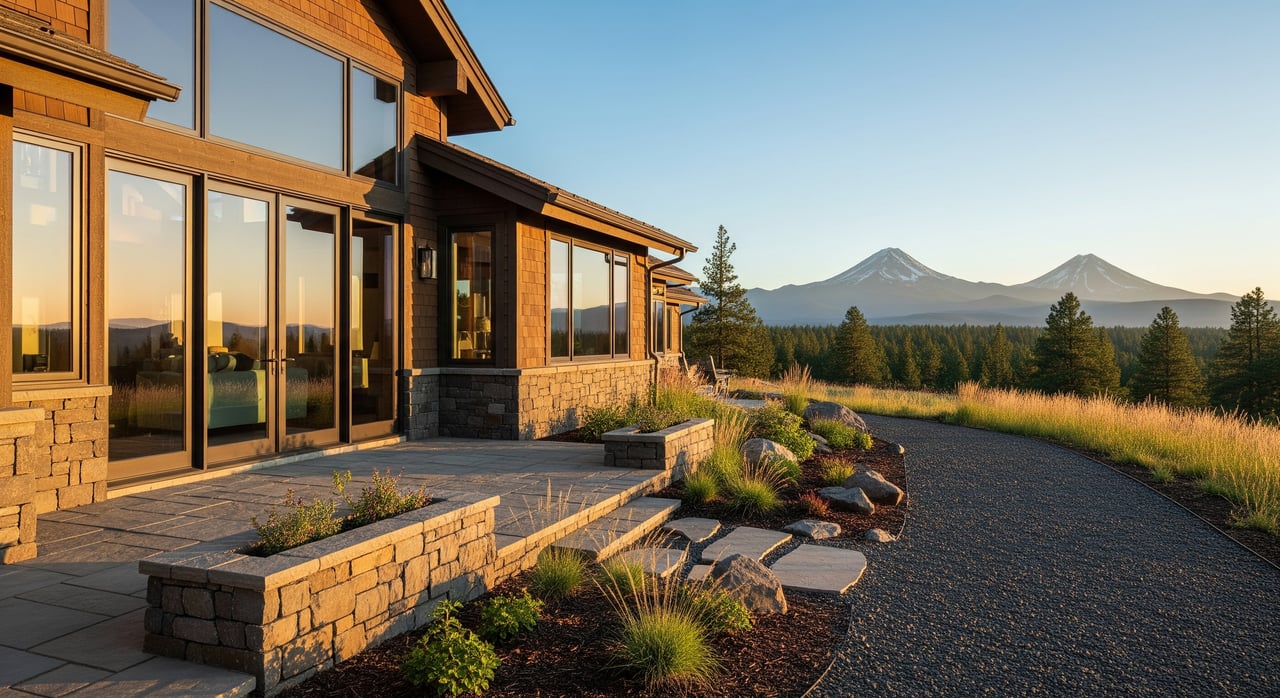
Wish you could lace up, saddle up, or roll out your door straight onto a trail? If you are eyeing Sisters for its outdoor lifestyle, you are not alone. With singletrack, creekside paths, and access to national forest, the right address can reshape your daily routine. This guide shows you where to live for fast trail access in Sisters, what to expect in each area, and how to vet a property for hiking, biking, or riding. Let’s dive in.
Sisters trail access at a glance
Sisters is a Central Oregon mountain town in Deschutes County with a tight-knit trail culture and strong demand for outdoor access. You will find singletrack systems like Peterson Ridge, multi-use forest trails that connect into the Deschutes National Forest, and town paths along Whychus Creek. Trail use varies by location, so always check the rules for hiking, biking, and equestrian access before you go. Seasonal closures, wildfire restrictions, and trailhead parking limits are part of life here, and a good plan helps you ride or run more with fewer hassles.
Best areas for near-trail living
West of town for forest singletrack
If daily singletrack is your priority, the west side of Sisters often puts you closest to trailheads and national forest edges. Many parcels here sit near the Peterson Ridge Trail System and other forest routes, which is ideal for mountain bikers and trail runners. Lot sizes and settings vary, and some properties may offer private trail easements or quick spur access. Expect rural utilities like well and septic, narrower private drives, and higher wildfire awareness.
Northwest and resort-adjacent options
Private and semi-private resort communities northwest of town can offer maintained internal trails, and some include equestrian facilities or bridle paths. You get a managed trail experience with on-site amenities and fewer parking concerns. In return, you will balance HOA dues, rules, and deed restrictions. Distance to downtown Sisters will vary by community, so weigh convenience against lifestyle amenities.
In-town and near-town neighborhoods
Living in or near town gives you easy access to services plus town paths, including the Whychus Creek corridor. For many residents, this means a quick bike or short drive to popular trailheads while keeping daily errands simple. Lots are smaller, which usually limits options for multiple horses or larger barn structures. If direct singletrack access is a must, confirm whether a specific lot borders open space or community pathways.
South, east, and outlying ranchlands
Acreage properties outside town offer room for barns, paddocks, arenas, and potential private riding loops on your land. These areas fit buyers who prioritize equestrian infrastructure and privacy. The tradeoff is more drive time to major trailheads like Peterson Ridge, depending on the exact location. Check road maintenance, winter access plans, and utilities as part of your evaluation.
Access tiers and daily logistics
- On-trail or direct access: Properties that abut national forest, conservation land, or have private easements. These allow you to leave from home without loading a car or trailer.
- Short-drive access: Many west-of-town and in-town addresses are about a 5 to 15 minute drive to popular trailheads. This is common for buyers who want convenience without living right on the forest edge.
- Longer-drive access: Outlying ranch and resort properties can be 15 to 30 minutes or more from specific trailheads, which is fine if you value space and facilities first.
Factor in trailhead parking capacity, day-use fees or passes where applicable, and seasonal mud or snow at higher elevations. Your daily routine will feel different if you can avoid peak parking times or use private paths.
Equestrian notes for Sisters trails
The Sisters area includes multi-use routes that allow horses, but not every singletrack segment is appropriate for equestrian use. Technical, narrow, or heavily biked trails can pose safety issues for riders and horses. Look for designated equestrian routes or wider multi-use corridors, and confirm current guidelines with the Sisters Ranger District or local trail stewards. Horse owners should also plan for weed-seed prevention and seasonal restrictions that may affect access.
Peterson Ridge highlights
The Peterson Ridge Trail System is a signature Sisters network favored by mountain bikers and trail runners. If you want to use it several times a week, living on the west side or within a short drive can be a game changer. Equestrians should review which connections and alternative routes are best suited for horses. When in doubt, check permitted uses and current conditions before planning a ride.
How to evaluate a property
Jurisdiction, zoning, and animals
- Confirm whether the property sits in Deschutes County or inside the City of Sisters. Jurisdiction determines many land-use rules.
- Verify the zoning designation to learn what animal units and structures are allowed.
- Review any HOA or CC&R rules that may limit barns, fencing, or horse keeping.
Lot size, layout, and topography
- Ensure there is enough usable space for barns, paddocks, a round pen, or an arena if you plan equestrian improvements.
- Consider solar exposure, drainage, and wind for year-round usability.
- Plan manure management and winter runoff strategies early.
Trail access and easements
- Ask for recorded, deeded easements if the listing suggests direct trail access.
- Map the actual door-to-trailhead time during typical use hours.
- Check whether nearby routes are multi-use and appropriate for your activities.
Utilities, roads, and seasons
- Verify well yield and septic approvals for current and future improvements.
- Clarify who maintains private roads and what winter plowing looks like.
- Plan around seasonal closures, wildfire restrictions, and trail conditions.
Fire readiness and insurance
- Review defensible-space history and local firewise practices.
- Check wildfire risk maps and insurance availability for rural and equestrian structures.
- Confirm that lenders and insurers support barns, arenas, or specialized outbuildings.
Why local expertise matters
In Sisters, trail access is about more than a pin on a map. It is about knowing which lots back to public land, which communities maintain bridle paths, and how seasonal rules affect your daily routine. A specialist can help you confirm easements, read zoning, evaluate horse infrastructure, and balance trail proximity with fire readiness and year-round comfort.
If you want a personalized plan for living close to trails in Sisters, work with a local advisor who understands equestrian, acreage, and lifestyle properties. To discuss your goals and start mapping neighborhoods to your trail routine, reach out to Heather Osgood for a thoughtful, high-touch consultation.
FAQs
Where is Sisters and who sets the rules?
- Sisters is in Deschutes County, and trail rules are set by agencies like the City of Sisters, Deschutes County, and the U.S. Forest Service’s Sisters Ranger District.
What areas are closest to Peterson Ridge?
- Properties west of town are typically closest, while many in-town addresses offer a short bike or quick drive to the main trailheads.
Can I keep horses on my Sisters property?
- It depends on jurisdiction, zoning, parcel size, and any HOA rules, so verify animal-unit allowances and restrictions before you buy.
Are horses allowed on singletrack near Sisters?
- Some routes allow horses, but many singletrack segments are not suitable for equestrian use, so look for designated multi-use corridors and confirm current guidance.
What should I check before making an offer?
- Confirm easements, zoning, utilities, road maintenance, wildfire risk, and realistic drive times to your preferred trailheads during your typical use hours.