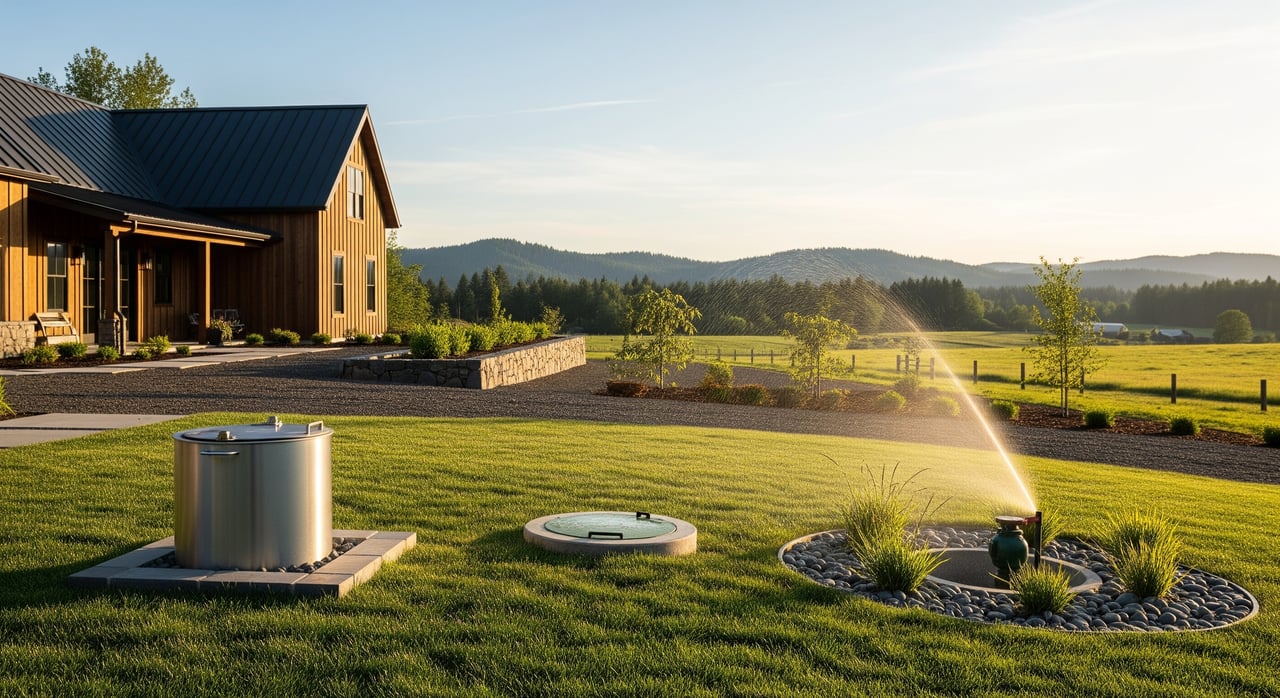
You just bought or are eyeing a property in Central Oregon and want to feel confident about the three systems that keep life running: the well, the septic, and irrigation. It can feel like a lot at first, especially if you are moving from city utilities or planning acreage or equestrian use. This guide breaks down what to check, who to call, and how to stay compliant so you can enjoy the land without surprises. Let’s dive in.
Who handles what
Properties can fall under city utilities, private systems, or irrigation districts. For wells and groundwater records, the Oregon Water Resources Department (OWRD) is your source of truth. For septic permits, inspections, and maintenance rules, Deschutes County Community Development oversees onsite wastewater systems. For irrigation, check whether water comes from city service, a private well, or the Three Sisters Irrigation District (TSID), since each has different rules and fees.
Wells: tests, records, and rights
Oregon’s Domestic Well Testing Act requires a seller to test a domestic well for arsenic, nitrate, and total coliform bacteria once an offer is accepted. Results must be shared with the buyer and submitted to the Oregon Health Authority, and tests used for a sale are valid for one year. You cannot waive these tests in a real estate transaction. Review current guidance on the Domestic Well Testing rules.
Next, pull the well’s records. OWRD keeps well reports that show depth, casing, static water level, and sometimes yield, plus the Well ID label status. Property transfers trigger a requirement to obtain and affix a Well ID label if one is missing. Learn about reports and labels on OWRD’s well report and Well ID program page, and search for your specific well using the state’s well log search tool.
If you plan to irrigate from a domestic well, understand Oregon’s exempt use rules. Many single-home domestic uses are allowed without a separate water right within statutory limits, and noncommercial garden irrigation is limited by area. Start with OWRD’s water rights FAQs to confirm what applies to your site.
For work on a well, use licensed professionals. OWRD explains requirements for who can construct or repair wells and why licensing matters. Review landowner and constructor guidance on the OWRD wells page.
Buyer checklist for wells
- Get the OWRD well report, confirm the Well ID label, and note depth, yield, and static water level.
- Ask for recent test results and service records; consider a broader lab panel if you have sensitive uses.
- If supply is a concern, consider a pump test or static level check.
- Verify whether irrigation plans fit within exempt use limits or require a water right.
Seller checklist for wells
- Order the required arsenic, nitrate, and total coliform tests after accepting an offer and provide results to the buyer and OHA.
- Locate and share the OWRD well report and confirm that the Well ID label is installed.
- Provide pump and maintenance records to show good care and performance.
Septic systems: permits, O&M, and inspections
In Deschutes County, any new, replacement, or repaired onsite system must be permitted and inspected. Site evaluations are required before new installations, and permit files help buyers confirm system type and capacity. Start with the county’s Onsite/Septic page to understand permits and records.
Certain systems, such as alternative treatment technologies and pressure distribution, require ongoing operation and maintenance with a DEQ‑certified provider and annual reporting. These contracts typically transfer at sale. Learn more on the county’s O&M program page.
There is no universal, statewide pre-sale septic test like the well-testing statute. That said, most buyers order a septic inspection during escrow, and lenders may require it. Inspections usually include locating the tank, checking baffles and the distribution box, assessing sludge and scum levels, and pumping if needed.
Buyer checklist for septic
- Order a septic inspection during your contingency period.
- Review O&M reports if the system is an ATT or similar.
- Confirm permitted capacity against your planned bedroom count or additions.
- Ask for recent pump receipts and any repair history.
Seller checklist for septic
- Gather permits, site evaluations, O&M contracts, and inspection reports.
- Provide recent pump receipts and any authorization notices.
- If the system needs service, schedule it early to avoid delays.
Irrigation: district, well, or city water
Start by identifying your supply. If your property sits within any of the regional irrigation districts, the land may carry appurtenant water rights and assessments. Most have modernized many canals to pipelines, which affects delivery on some parcels. Deschutes County offers an overview map if you are unsure of which district you are in. Properties in Tumalo are served by Tumalo Irrigation District and Swalley Irrigation. Bend is served by Central Oregon Irrigation District and Arnold Irrigation District, although there is often some overlap.
If you irrigate from city water, cross-connection and backflow rules apply. Most lawn or landscape systems tied to potable water require an approved backflow prevention device plus periodic testing.
If you plan to irrigate from a private well, confirm whether your intended use fits within Oregon’s exempt groundwater limits or requires a water right. For agricultural or larger areas, a right is commonly required.
Irrigation checklist
- Identify supply: district delivery, private well, or city water.
- For district delivery, confirm appurtenant rights, annual assessments, and service details.
- For city water, verify a backflow device is installed, tested, and documented each year.
- Schedule spring activation and fall winterization for sprinkler systems and keep records of any repairs or upgrades.
Timelines during escrow
- Well testing: Sellers must test after accepting an offer and provide results to the buyer and OHA. Tests tied to the sale are valid for one year.
- Well ID: If a label is missing, plan to obtain and affix it soon after transfer to avoid delays.
- Septic: Check permit status early. If an O&M contract is required, make sure it is active and transferable.
- Irrigation: If district rights or fees apply, share that paperwork early so the buyer understands obligations.
New owner quick-start plan
- Wells: Pull the OWRD well report, confirm the Well ID, and schedule any follow‑up testing or service.
- Septic: Order an inspection if you have not already, and file your O&M provider’s contact info.
- Irrigation: Confirm your supply source and set reminders for backflow testing and seasonal service.
If you want a calm, organized path to the finish line for a Sisters home, acreage, or equestrian property, let’s talk. With deep local knowledge and a process‑driven approach, Heather Osgood can help you evaluate wells, septic, and irrigation as part of a smart, low‑stress purchase or sale.
FAQs
Who pays for required domestic well tests in an Oregon home sale?
- Typically, the seller orders and provides results to the buyer and the Oregon Health Authority. Payment specifics can be negotiated in your offer.
Are septic inspections mandatory before every sale in Central Oregon?
- There is no single statewide pre-sale septic test requirement. Most buyers still order an inspection, and lenders may require one.
What if my well does not have an OWRD Well ID label?
- After a property transfer, you are expected to obtain and affix a Well ID label. Confirm status when you pull the well report and plan for labeling early.
How do I confirm if a Sisters parcel has irrigation district rights?
- Contact the Three Sisters Irrigation District and review title documents for appurtenant rights and assessments; district staff can confirm service areas and accounts.
What counts as an “exempt” domestic well use in Oregon?
- Household use and limited noncommercial garden irrigation can qualify within statutory limits; larger or commercial irrigation typically requires a water right.