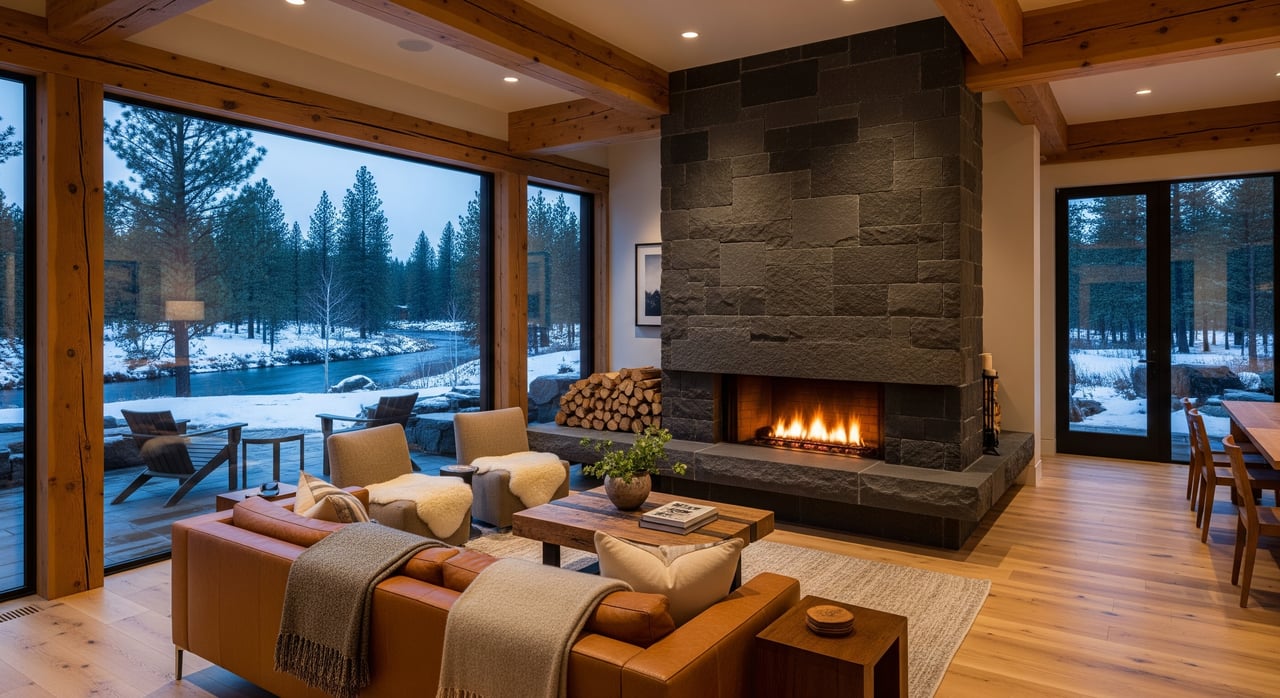
Thinking about selling your Sunriver home in the heart of winter? You are not alone. With fewer listings and serious buyers heading to the slopes, winter can be a smart time to go to market if you plan well. In this guide, you will get a clear pricing plan, a snow-season marketing checklist, rental calendar coordination tips, and showing strategies that fit Sunriver’s unique winter rhythm. Let’s dive in.
Know your winter buyer in Sunriver
Sunriver attracts a mix of full‑time residents, second‑home owners, and short‑term rental investors. In winter, the buyer pool shifts toward ski and snow‑recreation buyers who want immediate use, second‑home shoppers planning for seasonal enjoyment, investors targeting high‑demand holiday weeks, and local lifestyle movers.
Seasonality matters. Many U.S. markets, including Central Oregon, see fewer active buyers in late November through February. Inventory is also lower, which can help a well‑priced, well‑presented home stand out. Motivated buyers expect value, but low competition can preserve pricing power for homes that show well and feel winter‑ready.
Your goal is to meet motivated demand with smart pricing, clean operations, and marketing that highlights Sunriver’s winter appeal.
Choose the right winter price
Winter brings fewer showings, but the buyers who do tour are often serious. Anchor your price to fresh, hyperlocal comparables from the past 30 to 90 days, including other resort and rental properties in Sunriver and nearby areas.
Pricing bands that work
- Aggressive or quick‑sale: about 3 to 6 percent below recent comparable median.
- Best if speed and reduced carrying costs matter most.
- Can shorten time on market and attract multiple offers when inventory is thin.
- Market‑match: within 0 to 3 percent of comps.
- Good for a balanced outcome when your home is updated and marketing is strong.
- Aspirational or test‑the‑market: 5 to 10 percent above comps.
- Use when you can justify a premium with unique features or a verifiable rental track record. Expect longer days on market and be ready to adjust if feedback is weak.
Tactical pricing tips
- Use price psychology to hit common search brackets. For example, $499,900 can capture buyers searching under $500,000.
- If your home has legal short‑term rental history, include verified rental income as part of the value story. Provide clean ledgers and occupancy data.
- Share seasonal utility costs and any efficiency upgrades. Buyers weigh winter performance, so items like new furnaces, insulated windows, and snow melt systems matter.
- Prepare a one‑page “Comparable Sales and Market Positioning” brief for buyer agents. Include comps, rental metrics if relevant, and recent days‑on‑market trends.
- Watch feedback within the first two weeks. If showings are slow or buyers cite price as the issue, adjust quickly.
Market for snow season
Your marketing should make the home feel safe, warm, and functional in winter. It should also reduce friction for out‑of‑market buyers who may rely on virtual tools.
Photography that shines in snow
- Time your shoot for a clear or lightly overcast day. Twilight shots with warm interior lighting can be especially inviting.
- Clear entry paths, steps, and driveway. Tidy decks and remove snow piles that block the home’s lines.
- Add a welcome mat and simple, rustic touches. Keep signage clean and visible within community rules.
- Coach your photographer to compensate exposure so snow looks crisp, not blown out. Warm the interior white balance slightly to bring out the home’s cozy feel.
- Feature winter amenities. Photograph the fireplace lit safely, the mudroom, heated floors or garage, and any snowmelt systems.
- If using drone imagery, comply with FAA rules and any Sunriver Owners Association or HOA guidance. Aerials that show proximity to trails, river, and recreational amenities can help buyers orient themselves.
Video and virtual tours buyers will watch
- Create a short hero video, 30 to 60 seconds, that shows the cleared drive, welcoming entry, and inviting living spaces. Include a few lifestyle cutaways that tie to winter recreation.
- Offer a full 3D walk‑through so remote buyers can understand the layout. Add captions that note winter‑friendly features like heated floors, storage for gear, and garage access.
- For investor buyers, include a simple slide with verified rental performance and key booking periods.
Listing copy that fits winter
- Lead with seasonal strengths. Examples include efficient heating, mudroom function, safe access, storage for skis, and ease of snow removal.
- State precise travel times rather than vague claims. Avoid terms like “ski‑in” or “ski‑out” unless documented.
- If rentals are part of the story, disclose any community or county rules that affect operations. Be clear about high‑value holiday weeks and how they are handled.
Coordinate rentals and showings
If you rent your Sunriver home, smooth operations during launch will protect both revenue and buyer access.
Work with your property manager
- Block bookings for your initial marketing window, plus buffers. Aim for at least 24 hours before and 6 to 12 hours after showings.
- Keep one full week open before you go live for staging, deep cleaning, and photography.
- Update rental agreements with clear language about prearranged showings when needed.
Decide on holiday weeks
Holiday periods like Thanksgiving, Christmas, New Year, and Presidents’ Day weekend are high demand for rentals. Decide whether to keep these bookings or open them for showings. Whatever you choose, disclose it in the listing calendar so buyers can plan.
Documentation for investor buyers
Provide 12 to 24 months of rental history. Include gross revenue, occupancy by week, platform fees, management costs, and net revenue. Also share any management contracts or HOA rules that limit rental days or guest access.
Cleaning and access
Line up fast, reliable cleaning crews for same‑day showings. Keep a standby cleaner for last‑minute requests. Coordinate lockbox placement and guest access so security and sanitation stay intact.
Nail winter showings and safety
A great winter showing answers two questions fast. Is access safe and simple? Does the home feel warm, efficient, and practical for snow season?
Before every showing
- Clear walkways and driveways. Add sand or salt at the entry and use visible matting for boots.
- Set the heat between about 68 and 72 degrees so the home feels comfortable on arrival.
- Light the exterior and key interior areas. Replace bulbs with warm color temperature lighting.
- Clear paths to the garage and utility areas. Buyers want to see where gear goes and how the home functions day to day.
Access strategy
- Consider agent‑accompanied showings in winter to manage safety and avoid lost keys in the snow.
- Give buyer agents precise parking instructions so plowed areas stay usable.
- Set a plan for severe weather, including cancellation and rescheduling policies.
Stage for winter
- Highlight cozy features like a serviced fireplace or efficient HVAC.
- Keep decor light and neutral, with a few seasonal touches. Use throw blankets and a tidy rug at the entry.
- Show off practical spaces such as a mudroom, gear storage, and durable flooring.
Maintenance and inspections
- Service the furnace and check the water heater. Insulate exposed pipes to reduce freeze risk.
- If you are on well and septic, gather current documentation.
- Secure a reliable snow‑removal contractor, plus a backup contact, especially during storms.
Support remote buyers
- Offer live video showings via phone or video chat so buyers can tour during weather events.
- Ensure your virtual tour includes measurements and a floor plan. This helps buyers visualize ski gear storage and sleeping arrangements.
Address common objections
- Heating costs: Share recent winter utility bills and note efficiency upgrades.
- Snow removal: Provide your contract and typical response times from your contractor.
- Access during storms: Offer exact travel times and share how roads and trailheads are maintained in typical conditions.
Compliance checks that build trust
Strong compliance sets buyer expectations and protects value. Confirm these items before you list.
SOA and community rules
Review Sunriver Owners Association and any HOA guidelines for signage, photography, drone use, rental operations, and access. Align your marketing and showings with community standards.
Short‑term rentals and taxes
Verify short‑term rental registration and transient lodging tax requirements for Deschutes County and the State of Oregon. Confirm remittance records are current, since investors will ask.
Property taxes and closing
Oregon counties often have tax deadlines in mid‑November and mid‑May. Verify Deschutes County specifics and be ready to explain how taxes will be prorated at closing.
A two‑week launch plan
Use this quick plan to hit the market cleanly and confidently.
- Days 1 to 3: Pull Sunriver comps from the last 90 days. Choose your pricing band and set a list‑price strategy. Draft your one‑page market positioning brief.
- Days 2 to 5: Coordinate with your property manager to clear the calendar for photography plus 7 to 10 days after launch. Book staging, deep cleaning, and snow removal.
- Days 4 to 7: Service HVAC, check plumbing, and gather utility statements. Compile rental ledgers and community rules if you operate a short‑term rental.
- Days 5 to 8: Shoot photography and video on a clear day, including a twilight exterior and a 3D walk‑through.
- Days 8 to 10: Finalize listing copy that highlights winter strengths and precise access details. Verify all compliance and disclosure items.
- Go live: Monitor showings and feedback closely. Be ready to adjust price or availability within the first two weeks if the market signals a mismatch.
Final thoughts
Winter can be a powerful window to sell in Sunriver when you price with intention and market for snow season. Serious buyers are here, and they move quickly when a home feels safe, warm, and ready for winter use. If you want a detailed pricing analysis, premium photo and video, and a listing plan built for Sunriver’s winter calendar, connect with Heather Osgood to Request a Personalized Consultation.
FAQs
Is winter a bad time to list in Sunriver?
- No, not necessarily, since inventory is lower and winter buyers are often motivated, which helps well‑priced homes stand out.
How should I pick a winter list price in Sunriver?
- Use fresh local comps and choose a band, quick‑sale at 3 to 6 percent below median, market‑match within 0 to 3 percent, or aspirational at 5 to 10 percent above.
What photos and video work best for a winter listing?
- Shoot on a clear day, clear paths and driveway, warm interior light, feature winter amenities, add a short hero video and a full 3D tour.
How do I handle showings if my home is a short‑term rental?
- Block key dates with buffers, hold a week before launch for staging and photos, disclose any holiday bookings, and provide rental ledgers to investors.
What should I prep for safe winter showings?
- Clear snow and ice, add boot trays or shoe covers, set heat to a comfortable range, light the exterior, and provide clear parking instructions.
What documents do investor buyers expect in Sunriver?
- A 12 to 24 month rental ledger with gross and net revenue, occupancy by week, platform and management fees, and any HOA or rental restrictions.