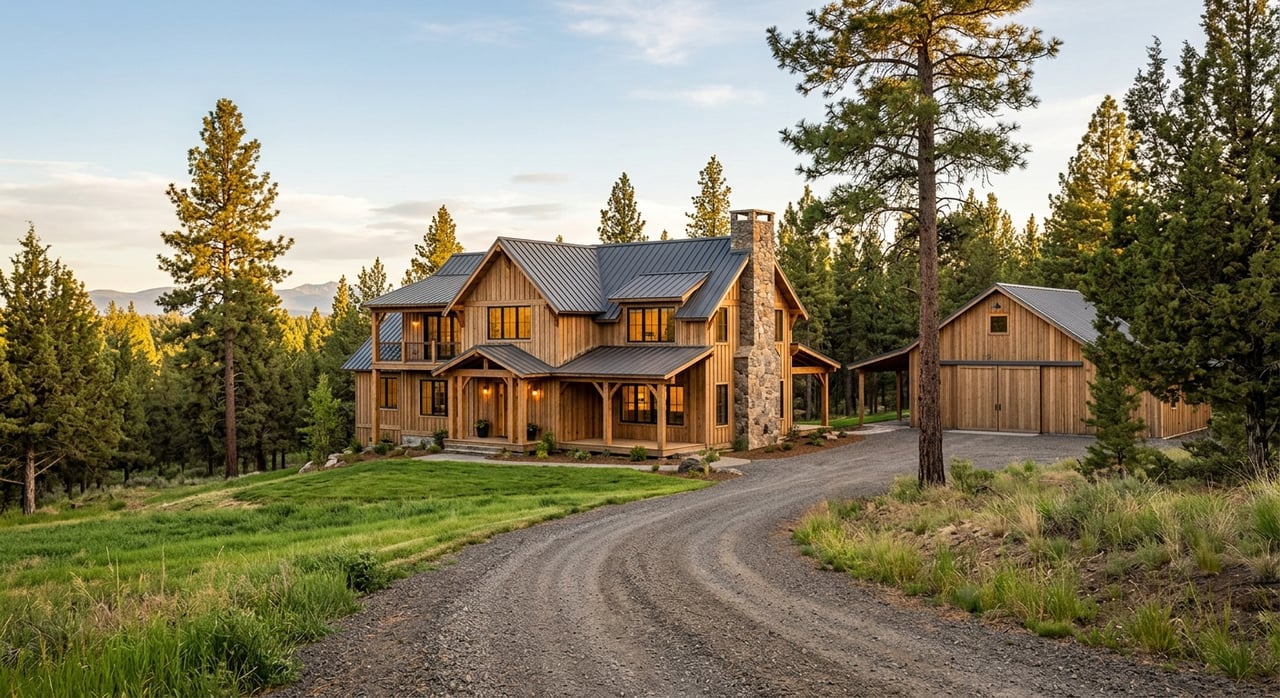
Dreaming about elbow room, Cascade views, and quick access to Smith Rock? Acreage living near Terrebonne can offer all of that, but it also comes with details that matter long after the first showing. If you are thinking about buying or selling in this part of Central Oregon, it helps to understand parcel sizes, zoning, water, wastewater, and how future planning could shape the area. Let’s dive in.
Why Terrebonne Draws Acreage Buyers
Terrebonne has a distinctly rural feel that appeals to buyers who want open space and a slower pace. Deschutes County planning documents describe the community’s long-term goal as preserving its small-town, scenic, and rural character while still allowing uses that serve local residents and travelers.
That balance is part of what makes the area so appealing. You are not just buying land. You are buying into a setting where open space, rural roads, and a close connection to the landscape still shape daily life.
Smith Rock State Park is a major part of that lifestyle. Oregon State Parks highlights the area for deep canyon views, climbing, hiking, mountain biking, and seasonal camping, and Travel Oregon places Smith Rock in Terrebonne about nine miles north of Redmond.
Smith Rock Shapes Daily Life
Living near Smith Rock means recreation can feel woven into your week instead of saved for a special trip. The park offers thousands of climbs and miles of trails, which is a big draw for outdoor-minded buyers looking for a home base near some of Central Oregon’s signature scenery.
At the same time, the park also brings seasonal visitor traffic and occasional route closures for nesting raptors. If you are considering property nearby, it is smart to think about both the upside of easy access and the rhythm that comes with living close to a destination area.
Common Acreage Types Near Terrebonne
Acreage living near Terrebonne is not one-size-fits-all. You may find smaller residential parcels near the community core, five-acre minimum properties, or larger nearby rural acreage depending on the location and zoning.
Deschutes County identifies two Terrebonne-specific residential districts that matter most here: TeR and TeR5. TeR supports residential uses that fit rural character and can allow smaller lots where community water and sewer are available. TeR5 is built around a five-acre minimum and is intended to retain larger rural residential lots in Terrebonne.
Nearby rural zones can also shape what buyers see on the market. RR-10 and MUA-10 both use a 10-acre standard land division, and RR-10 specifically allows small-scale horse stables, agriculture, and limited home businesses. TeR5 also allows agricultural uses, including keeping horses.
Quick Look at Common Zoning Patterns
| Zone | Typical Lot Pattern | General Character |
|---|---|---|
| TeR | Smaller residential lots may be possible where community water and sewer are available | Rural-residential character near the community core |
| TeR5 | 5-acre minimum | Larger rural residential parcels |
| RR-10 | 10-acre standard land division | Rural acreage with agricultural and some horse-use potential |
| MUA-10 | 10-acre standard land division | Larger rural acreage pattern nearby |
Why Parcel History Matters
One of the biggest mistakes acreage buyers make is assuming every large parcel can be split again later. In the Terrebonne area, that is not always the case.
County planning guidance notes that some older lots were created before today’s minimum lot-size rules. That means a property may be legal as it exists today, but it may not qualify for further division under current standards.
This is where local review becomes important. If future flexibility matters to you, whether for long-term planning, resale strategy, or building plans, the parcel’s history and current zoning deserve close attention.
Water and Wastewater Deserve Early Attention
When you buy rural property, the land itself is only part of the story. Water service and wastewater capacity often shape what you can do with the property and how smoothly a transaction moves forward.
Most rural homes in Central Oregon rely on private wells or surface intakes. Oregon health guidance says private well owners are responsible for maintenance and routine testing, and the Oregon Department of Environmental Quality recommends testing every one to two years.
Water quality can also be affected by bacteria, naturally occurring arsenic, nearby septic systems, and surrounding land-use practices. For buyers, that makes well information and water testing an important part of due diligence.
What to Ask About Utilities
Before you move forward on an acreage property near Terrebonne, ask questions such as:
- Does the home use a private well, community water, septic, or sewer?
- When was the well last tested?
- Is there documentation on septic location, condition, or prior approvals?
- If you plan to build, has the property had a site evaluation?
- Could current or future sewer service affect the property’s development potential?
Deschutes County requires a site evaluation before onsite wastewater or building permits can be issued for existing lots or when new lots are created. The county says this evaluation looks at whether a property can safely treat wastewater and that the process typically takes about four weeks, depending on staffing and weather.
Building Plans Need a Reality Check
Acreage buyers often picture adding a shop, barn, arena, or guest space. Those ideas may be possible, but they should never be assumed.
In this area, lot-specific zoning and wastewater capacity play a major role in what can be added. Deschutes County also states that accessory dwelling units are limited to rural residential exception areas and are not allowed in unincorporated communities such as Terrebonne.
That matters because many buyers come from markets where adding an ADU is more routine. Near Terrebonne, the answer is often more constrained, so it is wise to verify improvement potential before you make plans around it.
Improvements Buyers Often Ask About
Common questions include whether a property can support:
- A barn
- A horse setup
- An arena
- A shop or accessory structure
- Agricultural use
- Future building expansion
The right answer depends on zoning, existing permits, and wastewater capacity. For sellers, having organized records on these items can help buyers feel more confident and reduce uncertainty.
Wildfire Standards Are Becoming More Important
Wildfire resilience is now part of the ownership conversation across much of Central Oregon. In unincorporated Deschutes County, fire-hardening requirements will apply to all new dwellings and new accessory structures beginning April 1, 2026.
The Oregon State Fire Marshal also emphasizes defensible space and home hardening as practical steps to protect property. If you are buying land for a future build, or replacing major structures, these standards should be part of your planning from the start.
This does not mean rural ownership is less desirable. It simply means smart buyers are looking at access, vegetation, building materials, and site planning as part of the full property picture.
Terrebonne May Evolve Over Time
Terrebonne is not standing still. Deschutes County says the current Terrebonne Community Plan update is underway in part because of recent sewer-feasibility work and the formation of the Terrebonne Sanitary District.
That is important for both buyers and sellers. Future sewer and zoning decisions could gradually influence where low-density acreage stays much the same and where more compact residential or commercial infill may become more feasible.
The county’s 2024 Rural Housing Profile also counted 119 vacant lots in Terrebonne’s TER and TER5 rural communities, down from 134 in 2020. The report notes that the new Terrebonne and Tumalo sewer districts could affect future lot availability.
What This Means for Buyers
If you are shopping for acreage near Terrebonne and Smith Rock, your best move is to look beyond square footage and views. A great property fit usually comes down to matching your lifestyle with the land’s actual capabilities.
For example, one buyer may want simple rural living close to recreation. Another may need room for horses, a shop, or future building plans. Those are very different searches, even if the homes look similar online.
A thoughtful buying approach often includes:
- Reviewing zoning before making assumptions about use
- Checking well, septic, and site-evaluation information early
- Understanding whether the parcel is in TeR, TeR5, or another nearby rural zone
- Looking at road access, visitor patterns, and proximity to Smith Rock
- Considering how future county planning could affect the area over time
What This Means for Sellers
If you own acreage near Terrebonne, clear property information can strengthen your marketing and improve buyer confidence. Rural buyers are often excited by the lifestyle, but they also tend to ask practical questions quickly.
That means your property presentation should go beyond photos and basic features. Zoning details, utility information, site history, and any known records related to wells, wastewater, agricultural use, or outbuildings can help tell the full story.
For distinctive acreage, horse property, land, and lifestyle-oriented homes, that level of preparation can make a real difference. It helps your property stand out for the right reasons and supports a smoother conversation with serious buyers.
If you are exploring acreage living near Terrebonne and Smith Rock, it helps to work with someone who understands both the lifestyle appeal and the practical layers that come with rural property. Heather Osgood offers locally grounded guidance across Central Oregon, with experience in acreage, land, equestrian, and distinctive residential properties.
FAQs
What are common parcel sizes near Terrebonne?
- Near Terrebonne, you may find smaller residential parcels in TeR areas, five-acre minimum parcels in TeR5, and larger rural acreage in nearby zones such as RR-10 and MUA-10, which use 10-acre land division standards.
What does TeR5 zoning mean for Terrebonne property?
- TeR5 is a Deschutes County zone intended to retain larger rural residential lots in Terrebonne, with a five-acre minimum and allowance for agricultural uses, including keeping horses.
Do Terrebonne acreage homes usually have wells and septic systems?
- Many rural homes in Central Oregon rely on private wells and onsite wastewater systems, so buyers should confirm water source, testing history, and site-evaluation or septic information early in the process.
Can you add an ADU on property in Terrebonne?
- Deschutes County says ADUs are not allowed in unincorporated communities such as Terrebonne, so you should verify lot-specific rules before planning additional dwelling space.
How does Smith Rock affect living near Terrebonne?
- Smith Rock adds exceptional access to hiking, climbing, biking, and scenic views, but it can also bring visitor traffic and seasonal trail or route closures tied to park management and nesting raptors.
Could future sewer planning change Terrebonne development patterns?
- Yes. Deschutes County says the Terrebonne Community Plan update is tied in part to sewer-feasibility work and the Terrebonne Sanitary District, which could influence where future infill or lot availability changes over time.