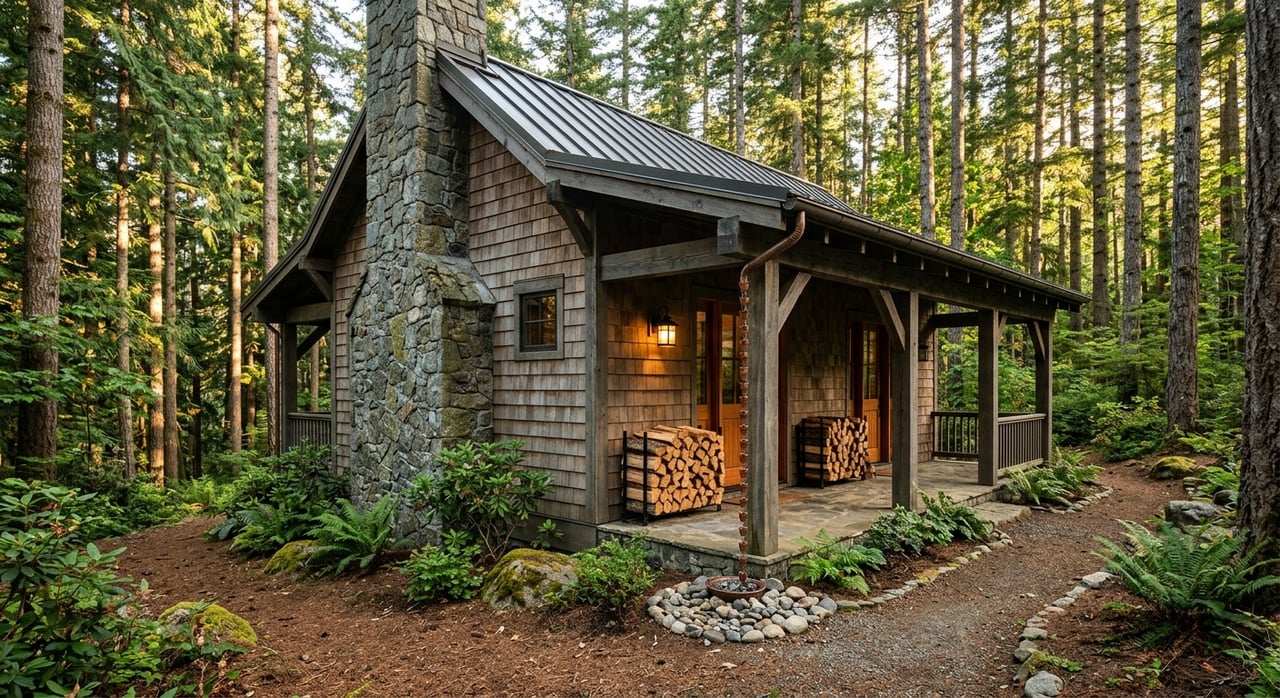
Wondering whether a cabin in Camp Sherman is the right kind of getaway for you? This is one of Central Oregon’s most distinctive cabin markets, but it is not a simple plug-and-play second-home setting. If you are drawn to quiet river landscapes, legacy ownership, and a slower rhythm, it helps to understand how ownership works before you fall in love with a property. Let’s dive in.
Why Camp Sherman feels different
Camp Sherman is a small unincorporated community in Jefferson County with roughly 250 to 300 full-time residents, and that number can rise to around 1,000 when part-time residents and Forest Service cabin users are included. The setting is intentionally modest, with a school, store, post office, church, seasonal restaurants, lodges, and campgrounds shaping daily life.
That smaller footprint matters when you are thinking about fit. Camp Sherman has long been tied to summer-home use on Metolius River land, with the first permits issued in 1916. Over time, the community hall became a hub for potlucks, fundraisers, school programs, and seasonal gatherings, which helps explain why many buyers experience Camp Sherman as a legacy place rather than a resort-style market.
Camp Sherman ownership starts with fit
If you are searching for a cabin here, the first question is not just price or square footage. It is whether you want a property centered on nature, tradition, and stewardship rather than convenience-driven amenities.
Historic records describe Camp Sherman as somewhat isolated, and winter snowfall can add to that sense of remoteness. For some buyers, that is the appeal. For others, it can feel limiting, especially if you are expecting a more typical year-round second-home experience.
Best-fit buyers for Camp Sherman
Camp Sherman tends to suit buyers who value:
- Quiet, low-key surroundings
- Strong connection to the outdoors
- A seasonal or recreation-oriented rhythm
- Respect for land-use and property constraints
- Long-term family use or legacy ownership
If you want a more active, amenity-focused vacation market, Camp Sherman may feel too restrained. If you want privacy, simplicity, and a meaningful connection to place, it can be a very compelling match.
The Metolius shapes the experience
The Metolius River is central to life in Camp Sherman. It is a spring-fed, Wild and Scenic river, and Oregon also designates the reach from Metolius Springs to Candle Creek as a State Scenic Waterway. The river flows about 29 miles, passes through Camp Sherman, and is known for cold, clear water, trout habitat, and exceptional scenic value.
This is not just pretty scenery that happens to sit behind a cabin. It is a protected landscape that shapes how the area functions and what ownership feels like. Public trails are accessible from campgrounds and the Camp Sherman Store area, and Road 14 is a popular route for river views by car or bike.
Why protected land matters to buyers
The Metolius basin falls under Oregon’s Metolius Area of Critical State Concern. That framework prohibits new destination resorts and golf courses and also restricts some additional development.
For you as a buyer, this means the setting is likely to remain more natural and lower intensity than many resort-adjacent areas. It also means river proximity, land-use compatibility, and long-term expectations deserve close attention during your search.
Not every Camp Sherman cabin is the same
One of the most important things to understand is that the phrase Camp Sherman cabin can describe very different ownership models. Assuming they all work the same way can lead to major surprises.
Some cabins are Forest Service recreation residences on National Forest land. Others are on private parcels governed by Jefferson County zoning. Some may also sit in areas designed with vacation-rental patterns in mind.
Forest Service recreation residences
The Deschutes National Forest says there are 108 recreation residences on the Metolius River, and no new ones are being permitted. These are privately owned improvements located on federal land, and they are intended for personal recreation use rather than primary residence or commercial use.
That distinction is critical. When one of these cabins sells, the permit must be reissued, and the Forest Service can require compliance corrections before reissuing it. The public also retains lawful access across National Forest lands, so ownership does not create the same kind of exclusive private control you might expect on a standard fee-simple parcel.
Private parcels in Camp Sherman
Other properties sit on private land under Jefferson County’s Camp Sherman zoning structure. The county recognizes Camp Sherman as an unincorporated resort community and allows both temporary accommodations and permanent residences there.
The zoning framework includes Camp Sherman Rural Center, Vacation Rental, and Rural Residential zones. These are intended to preserve rustic character and low development intensity, with minimum lot sizes ranging from 2 to 5 acres depending on the zone.
Why due diligence matters so much
In Camp Sherman, ownership details directly affect how you can use the property. Before you assume a cabin can be lived in year-round, rented in a certain way, or expanded in the future, you need to confirm the actual title structure and zoning.
This is especially true because Forest Service permit rules and county zoning can create very different expectations. A beautiful cabin may still come with use limits, review requirements, or infrastructure realities that change whether it is the right fit for you.
Questions worth answering early
As you evaluate a Camp Sherman property, it is smart to verify:
- Whether the cabin is on federal land or private land
- Which Jefferson County zone applies, if it is privately owned land
- Whether the property is intended for personal recreation use or broader residential use
- What approvals may be required for exterior changes, additions, or ground disturbance
- Whether septic and site conditions could affect future plans
These are not minor technical details. In a market like Camp Sherman, they are part of understanding the property itself.
Stewardship is part of ownership
Cabin ownership here comes with an unusually strong stewardship component. That is especially clear in the Forest Service recreation residence model, which is designed to maintain a forest-related recreation experience while protecting soil, vegetation, water quality, wildlife, air quality, and historic resources.
The same guidance is also meant to prevent urbanization of the tracts. In other words, the goal is not to turn these cabin areas into conventional neighborhoods. If you love the area because it feels rustic and protected, this stewardship framework is a big reason why.
Remodeling is not always simple
In Camp Sherman, updates are not always just a matter of design preferences. Jefferson County requires land-use approval before on-site septic evaluation, followed by site plan and building plan review before permits can be issued.
County materials also note that septic suitability is evaluated through soil pits and DEQ-approved systems. So if you are thinking about additions, accessory structures, or larger remodels, those plans need to be grounded in actual site conditions and approval pathways.
Historic review can affect timing
Many recreation residences also have historic-district implications. According to the Deschutes National Forest, exterior changes must be approved in advance, and many cabins are subject to historic-district review considerations.
That does not mean improvements are impossible. It does mean your project timeline may be longer, and your design flexibility may be narrower than you would expect in another cabin market.
Wildfire readiness is part of the package
Wildfire readiness is another practical part of owning in Camp Sherman. Jefferson County’s Community Wildfire Protection Plan covers 19 communities and 1.14 million acres, and Camp Sherman is one of the eligible at-risk communities in the county fuels-reduction program.
For owners, this makes defensible space, fuels work, and ongoing forest management part of the ownership reality. It is not just seasonal cleanup. It is part of caring for the property and helping reduce risk over time.
How to decide if a Camp Sherman cabin fits you
The best Camp Sherman buyers usually understand that this is not a market built around maximum flexibility. It is better understood as a place where landscape protections, ownership structure, and community tradition all shape the experience.
If that sounds limiting, Camp Sherman may not be your best match. If that sounds like exactly what you want, a cabin here can offer a rare kind of Central Oregon ownership experience.
Signs Camp Sherman may be a strong fit
A Camp Sherman cabin may be right for you if you:
- Want a quiet, nature-centered retreat
- Appreciate a small community with longstanding traditions
- Are comfortable with public-land adjacency or rural zoning constraints
- Value preservation and stewardship as part of ownership
- See the property as a long-term lifestyle or legacy hold
Signs you may want a different market
You may be better served elsewhere if you:
- Need broad flexibility for commercial or primary-use purposes
- Want easier expansion or remodeling options
- Prefer a more connected, amenity-rich second-home environment
- Are uncomfortable with permit review, septic limitations, or wildfire upkeep
A practical approach to buying well
Buying in Camp Sherman is often less about moving fast and more about asking the right questions. The right cabin is not just the one with charm. It is the one whose ownership model, location, and constraints align with how you actually plan to use it.
That is where grounded local guidance matters. In a place this nuanced, clear due diligence can help you protect both your investment and your experience of the property.
If you are thinking about buying a cabin in Camp Sherman, Heather Osgood can help you evaluate fit, ownership structure, and the practical details that matter in this unique Central Oregon market.
FAQs
What makes Camp Sherman different from other Central Oregon cabin markets?
- Camp Sherman is a small unincorporated community shaped by the Metolius River, long-standing summer-home traditions, protected landscapes, and low-intensity development patterns rather than a typical amenity-driven resort model.
What is a Forest Service recreation residence in Camp Sherman?
- A Forest Service recreation residence is a privately owned cabin improvement on National Forest land that is used for personal recreation rather than primary residence or commercial use, and a sale requires permit reissuance.
What should buyers confirm before purchasing a Camp Sherman cabin?
- Buyers should confirm whether the property is on private land or federal land, what zoning or permit structure applies, and what limits may affect occupancy, rental use, remodeling, or additions.
How does Jefferson County zoning affect Camp Sherman cabin ownership?
- Jefferson County zoning in Camp Sherman is designed to preserve rustic character and low development intensity, with different zones and minimum lot sizes that can affect how a property may be used or improved.
Why is stewardship such an important part of Camp Sherman ownership?
- Stewardship matters because the area includes protected river and forest landscapes, and ownership often comes with expectations around preserving natural resources, managing wildfire risk, and respecting land-use or historic review requirements.
Can you remodel a cabin in Camp Sherman?
- Some remodels may be possible, but approvals can be required for septic review, land use, building plans, exterior changes, and in some cases historic-district considerations, depending on the property type and location.