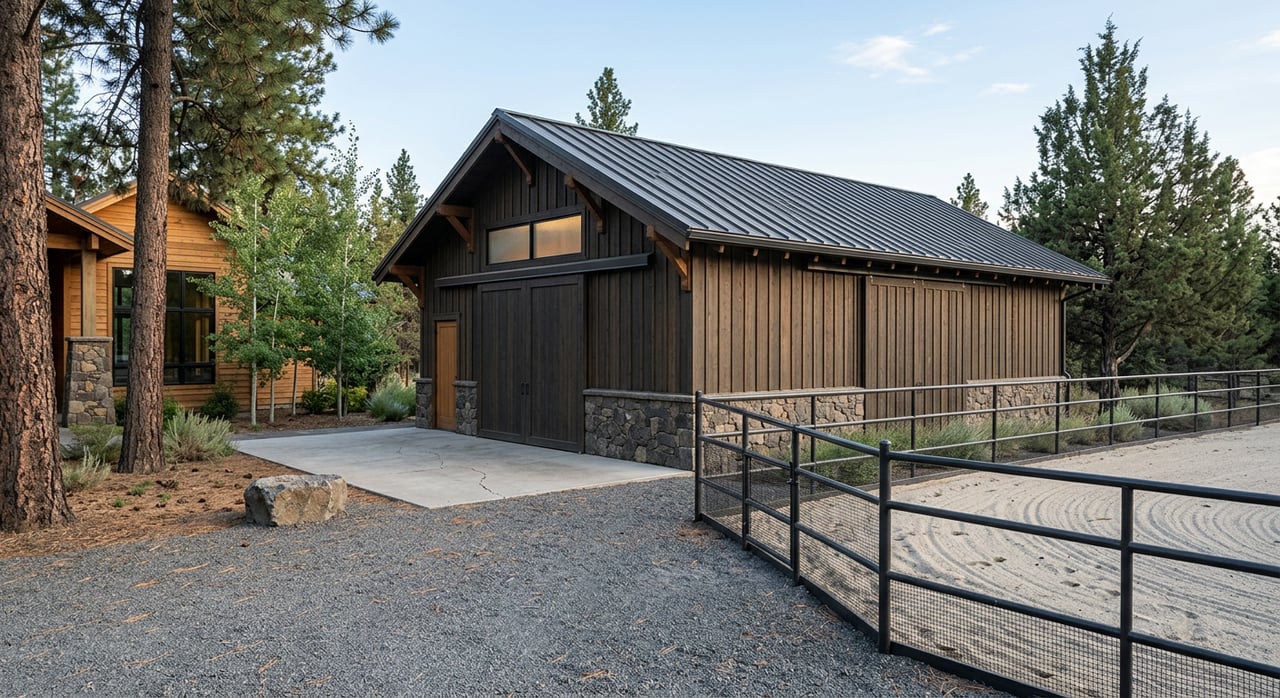
You want room to ride, clean footing underfoot, and a property that works as hard as you do. In Tumalo, that dream is within reach if you know how to evaluate water, zoning, barns, and the practical details that make a horse place safe and efficient. This guide walks you through the exact checks to make before you write an offer, with local sources you can use to verify every claim. Let’s dive in.
Why Tumalo works for horses
Tumalo sits just northwest of Bend, in a patchwork of rural parcels designed for small-scale agriculture and country living. Many lots fall under MUA-10 or RR-10 base zones, which commonly allow single-family homes and small-scale horse uses. You can confirm allowed uses and parcel standards on the county’s overview of Deschutes County base zones.
The local climate is high-desert with dry summers and cool winters. That means you will likely rely on irrigation for pasture and hay, manage mud during shoulder seasons, and plan arena drainage carefully. The Tumalo area is also served by long-standing canals and pipelines, so it pays to learn how the Tumalo Irrigation District delivers water and what service looks like on each parcel.
Zoning, uses, and permits
Check the base zone first
Start by confirming the parcel’s base zone and any overlays. RR-10 and MUA-10 commonly allow agriculture and small-scale stables, while EFU has different standards. Review the county’s summary of base zones and allowed uses, then ask planning staff to confirm how your intended use fits.
Understand agricultural and equine exemptions
Oregon law defines agricultural and equine facilities and can exempt qualifying barns or arenas from the state structural code when they are part of a farm operation. Read the statute for context in ORS 455.315. In practice, Deschutes County administers exemptions and requires paperwork, and plumbing or electrical often still need permits. Review the county’s agricultural or equine exempt permit guide and never assume a structure is permit free without county confirmation.
Know how farm-use taxation works
Some rural properties receive farm-use special assessment, which can reduce taxes if the land qualifies and is used for farm purposes. This is set by state law, and disqualification can trigger additional taxes. Read the framework in ORS chapter 308A and verify assessor records before you rely on any tax status.
Watch for common red flags
Ask for a permit history and property summary early in due diligence. Look for legal lot status, split zoning, flood overlays, recorded easements that affect access or irrigation, and any CCRs that limit livestock or structures. The county’s research checklist highlights the sequence for septic, driveways, and building permits so you can plan timelines accurately.
Water, irrigation, and wells
Confirm irrigation rights and delivery
In Oregon, water rights are separate from the deed. Do not assume irrigation water comes with the property. Call the Tumalo Irrigation District to confirm whether the parcel has recorded rights, the exact place of use, delivery schedule, and any assessments. Ask the seller for copies of any recorded water rights and deed references.
Test well capacity and quality
If the property relies on a private well, request the well log, recent pump test in gallons per minute, and a current water-quality report. Confirm the well’s age, pump equipment, and any filtration systems. Redundancy helps in rural settings, so note hydrant locations, heated waterers, and whether a cistern or reserve plan is in place.
Plan for hay if water is limited
If there is no reliable irrigation, you will likely purchase most or all of your forage. Confirm seasonal availability, delivery options, and storage space. The regional grower network listed by the Central Oregon Hay Growers can help you understand typical supply and quality.
Track basin changes
Irrigation piping and flow-restoration projects continue to evolve across the Deschutes basin. These programs can influence future supply patterns and costs. When water is a make-or-break factor, review recent district projects and ask pointed questions about long-term delivery risk.
On-site equestrian infrastructure: what to inspect
Barns and stalls
Walk the barn with a safety and permit lens. Check stall size and layout, aisle footing, ventilation, hay and grain storage separation, and electrical condition. If the barn has plumbing, the septic file should reflect it. Ask for building permits and any exempt-building paperwork noted in the county’s research checklist.
Arenas and footing
A good arena starts with the base. Look for a compacted, well-drained base, geotextile separation where needed, and consistent, maintained footing. Proper grading and a watering plan reduce dust and protect hooves. For typical arena sizes and small-acreage management practices, review OSU’s guidance in Managing Small-Acreage Horse Farms in Central and Eastern Oregon.
Paddocks, rotation, and sacrifice areas
You want safe laneways, logical gates, and a dry lot for winter turnout. Cross-fencing supports rotational grazing and reduces wear. Confirm pasture irrigation coverage and delivery type so you can plan a rotation that matches the property’s capacity. OSU’s materials above include helpful layouts and manure strategies for local conditions.
Fencing and gates
Fencing should be visible, smooth, and horse safe. Board, pipe, coated high-tensile with a visibility strand, or horse-rated mesh are common choices. Avoid barbed wire around horses and check gate widths for tractor and trailer access. A fencing upgrade can be a major budget item, so inventory condition and linear footage before you commit.
Water points and hydrants
Locate every hydrant, trough, and automatic waterer. In Central Oregon, heated or insulated options help in cold snaps. Note pump house condition, winterization details, and any backup plans for outages. If the property uses district water for stock runs, confirm the rotation schedule and ditch maintenance responsibilities with the provider.
Septic and wastewater
If you see a wash rack, tack room sink, or restroom, the septic system should support that use. Request the permit file, tank age, service history, and the designated replacement area. The county’s research checklist explains how septic approvals fit into the larger building-permit sequence.
Manure handling and site stewardship
A covered manure storage area sited well away from wells and streams is a good sign. Ask about composting practices, off-farm removal, and seasonal spreading schedules. OSU Extension’s guidance in EC-1610 outlines best practices for manure, drainage, and buffers on small-acreage horse properties.
Utilities and access
Confirm electrical service capacity for barn lighting, pumps, and arena lights. Ask about internet options if you plan to use remote monitoring or cameras. Walk driveway grades, winter access, and trailer turnarounds to avoid surprises during storms.
Hazards, insurance, and compliance
Wildfire risk and defensible space
Parts of Tumalo and the Bend fringe sit in higher wildfire-risk landscapes. Ask the county whether the parcel lies in a designated hazard area and what defensible space expectations may apply. You can monitor county policy work and homeowner resources through the Deschutes County wildfire mitigation page. Good access for emergency vehicles and water supply can also influence insurance.
Floodplains and riparian setbacks
Some parcels border Tumalo Creek or the Deschutes River. Before you plan improvements, check FEMA’s Flood Insurance Rate Maps through the FEMA Flood Map Service Center and ask the county to confirm any flood overlays or riparian setbacks. Flood status can affect building locations, fencing, and insurance.
Local services and lifestyle fit
Equine care in the Tumalo and Bend area includes full-service hospitals and mobile vets. Before you buy, confirm who you will call for emergencies and typical haul times from the property. If you expect to supplement forage, contact local hay growers early to understand quality, delivery, and storage needs.
If you plan to cross-train or travel for lessons, make a short list of boarding barns and trainers that fit your discipline. Ask about wait lists, haul-in policies, and arena availability. Proximity to services can be the difference between a property that supports your routine and one that creates stress.
Buyer due diligence checklist
Use this simple, local-first checklist during your offer and inspection period:
- Zoning and uses. Confirm the base zone and whether small-scale stables and your intended use are allowed on the Deschutes County base zones page.
- Legal lot and title. Ask the county to verify legal lot status. Order a preliminary title report and review easements for access, irrigation, and utilities.
- Irrigation rights. Call the Tumalo Irrigation District to confirm recorded rights, delivery schedule, and assessments. Request deed references and any district correspondence.
- Wells and water. Get the well log, recent pump test, and water-quality results. Map hydrants and any heated waterers.
- Septic system. Pull the permit file, tank age, service records, and replacement area using the county’s research checklist.
- Soils and drainage. Run the parcel through the NRCS Web Soil Survey to spot shallow or rocky soils that affect arenas, septic, and pasture.
- Flood status. Check the FEMA Flood Map Service Center for overlays and ask the county about riparian setbacks.
- Wildfire context. Confirm fire district, response time, and any defensible space standards. Review county resources on mitigation.
- Barn and arena paperwork. If a structure is presented as agricultural or equine-exempt, request the county file and verify whether any plumbing or electrical permits were issued. Use the county’s exempt permit guide.
- Operating costs. Ask the seller for average hay use and costs, fence maintenance history, irrigation assessments, and winter access arrangements. If needed, contact the Central Oregon Hay Growers to gauge market supply.
What a local specialist adds
Buying an equestrian property in Tumalo is part real estate and part land management. You benefit most from an advisor who can read a permit file, evaluate arena footing, and translate irrigation and tax questions into clear next steps. That is the difference between buying a pretty setting and buying a property that performs for your horses year-round.
If you want a calm, organized search process with deep local insight into barns, arenas, water rights, and rural operations, connect with Heather Osgood. You will get boutique, high-touch representation backed by Windermere’s reach and a specialist’s eye for equestrian and acreage details.
FAQs
What zones in Tumalo typically allow horses?
- Many rural parcels around Tumalo are in RR-10 or MUA-10 zones, which commonly allow agriculture and small-scale horse stables. Confirm your parcel on the county’s base zones page.
How do irrigation rights work for a Tumalo property?
- Water rights are separate from the deed. Call the Tumalo Irrigation District to confirm recorded rights, delivery schedule, place of use, and any assessments attached to the parcel.
Do I need a permit for a new barn in Deschutes County?
- Some agricultural or equine facilities can qualify for exemption under ORS 455.315, but eligibility is administered by the county and plumbing or electrical typically still require permits. Review the county’s exempt permit guide.
How can I check if a Tumalo property is in a floodplain?
- Look up the address on the FEMA Flood Map Service Center, then ask county planning to confirm any flood overlays and riparian setbacks that affect building locations.
What should I review for arena footing and paddock design?
- Verify a well-drained base, consistent footing, and a watering plan in the arena. For paddocks, plan safe laneways, a sacrifice area, and rotational grazing. OSU’s EC-1610 guide covers best practices for Central Oregon.
How do I evaluate soils before I build an arena or add septic?
- Run the parcel through the NRCS Web Soil Survey to identify shallow, rocky, or highly permeable soils. Use that data to plan arena bases, drainage, and septic design with your contractor.