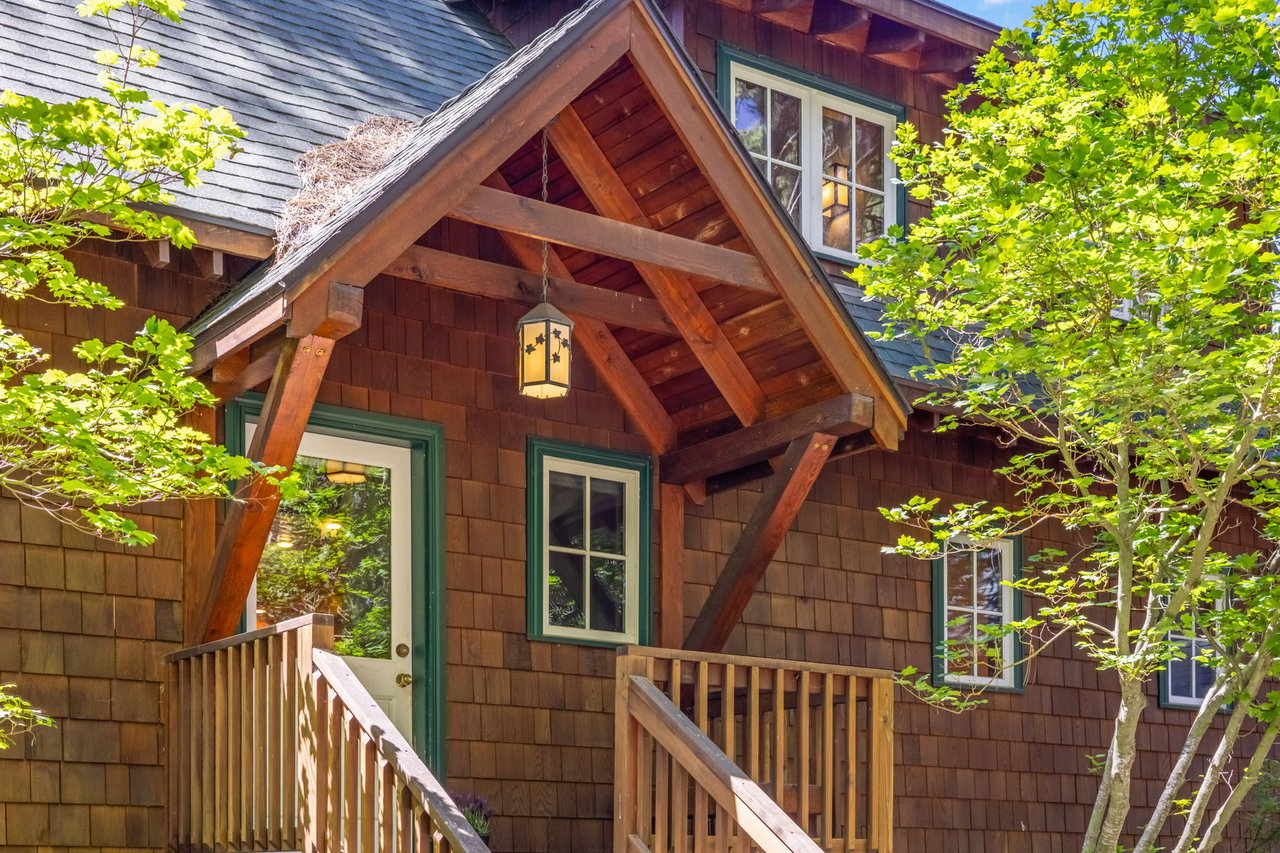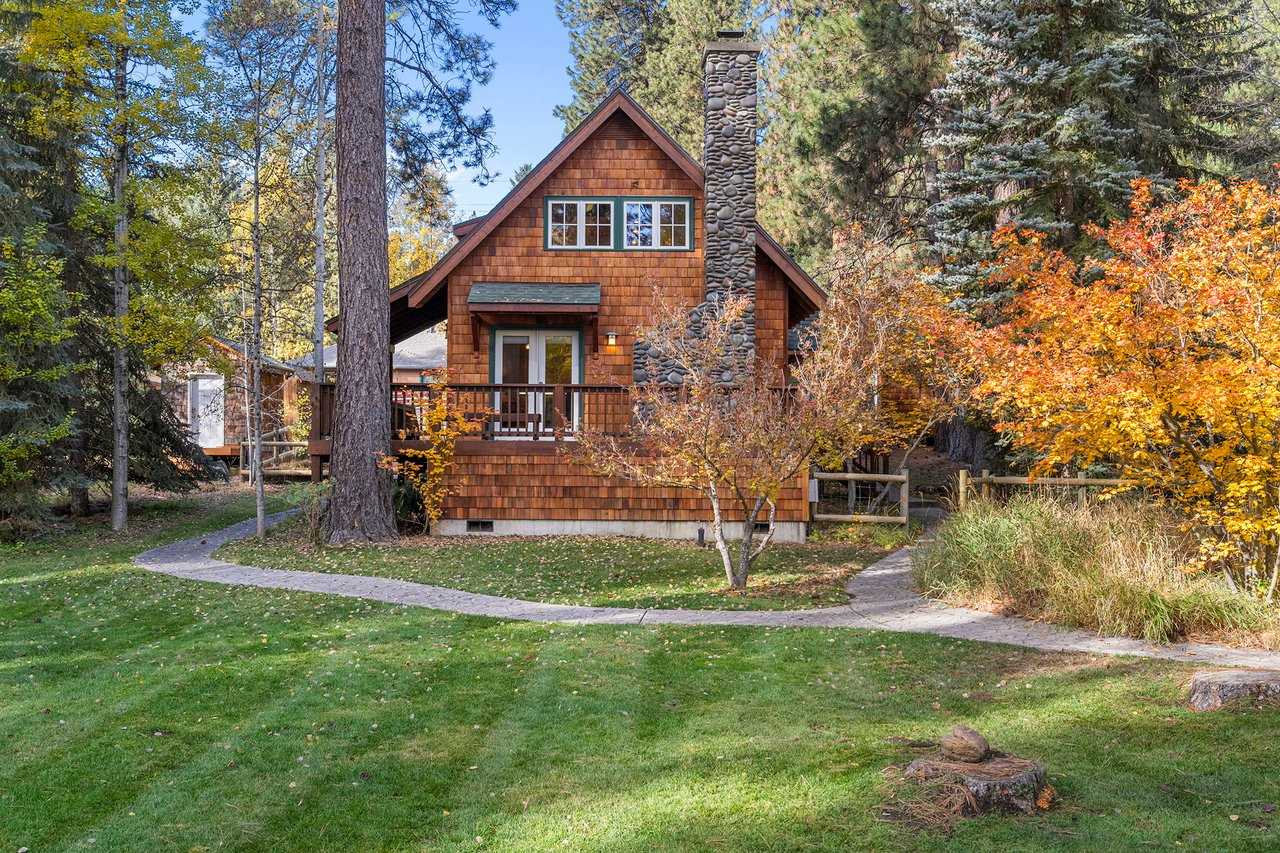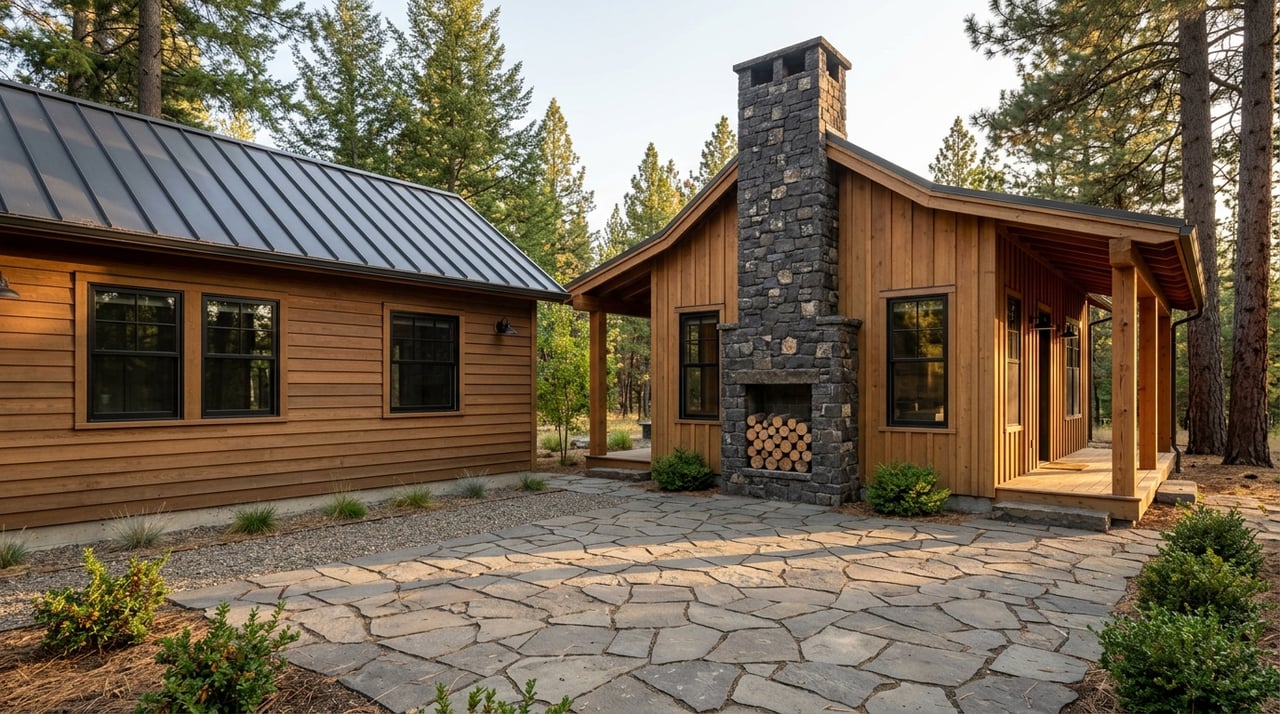
If you are dreaming about a family cabin in Camp Sherman, you are probably imagining more than a real estate purchase. You are picturing holidays by the river, summers on the trail, and a place your family can return to for years to come. That kind of purchase can be deeply rewarding, but in Camp Sherman, it also calls for careful planning around land ownership, property use, and year-round function. Let’s dive in.
Why Camp Sherman Fits Legacy Ownership
Camp Sherman stands out as a natural setting for a generational cabin because it has long been tied to seasonal living, recreation, and family traditions. According to Jefferson County’s comprehensive plan, the area is a major resort and recreation community with both vacation homes and full-time residences.
That mix matters if you are looking for a place that feels established rather than invented. The Camp Sherman Community Association notes that the community includes roughly 250 to 300 full-time residents, with the population growing significantly when seasonal cabin owners and part-time residents are in town. That seasonal rhythm helps explain why the area continues to appeal to buyers who want a retreat with long-term meaning.
What Draws Families to Camp Sherman
Metolius setting and recreation
Much of Camp Sherman’s appeal starts with the landscape. The Metolius River is a spring-fed Wild and Scenic River, and the surrounding basin offers easy access to trails, road biking, and scenic public lands.
Jefferson County also highlights year-round recreation in the area, including hiking, fishing, camping, cross-country skiing, mountain biking, horseback riding, and hunting. For many families, that range of activities supports a cabin that can be used across seasons rather than just during one short summer window.
A true cabin tradition
Camp Sherman is not a place where the cabin story was recently created for marketing. The community association explains that the local cabin tradition began with summer recreation, and there are about 108 summer recreational cabins along the river. You can explore more local context through the Camp Sherman Community Association.
For a multi-generation buyer, that history adds something important. You are not just buying scenery. You are buying into a place where returning to the same cabin year after year is already part of the local pattern.
Rural services and realistic expectations
Camp Sherman offers useful local services, but they are limited in a way that many buyers should expect from a small rural community. The community resources page notes that the post office keeps weekday morning hours, the store and deli follow a seasonal schedule, and the transfer site operates only on set days and requires a permit.
That does not make ownership harder by default, but it does mean a generational purchase works best when your family understands the local pace. If you want a cabin that feels easy to share and maintain, convenience systems and planning matter just as much as charm.
Start With Land Ownership
Fee-simple or Forest Service recreation residence
In Camp Sherman, one of the first questions is not about finishes or views. It is about what, exactly, you are buying.
Some properties are on private land, while others are part of the Forest Service recreation residence program. In that program, the buyer owns the cabin or improvements, but not the land. The use is allowed through a special-use permit, and the Forest Service also notes that a Cabin Fee Act transfer fee applies when ownership changes.
Jefferson County further states that the Forest Service leases 108 lots along the Metolius River for recreational purposes, and those cabins are restricted to vacation use rather than permanent residence. If your family hopes to use a property in a certain way now or years from now, this distinction is central.
Why tenure affects long-term planning
For a generational purchase, land tenure shapes more than occupancy. It can affect financing, transfer planning, future improvements, and how easily the property passes from one generation to the next.
A cabin may look ideal at first glance, but the legal structure behind it may not match your family’s goals. That is why a careful Camp Sherman search should treat land ownership as a first-step filter, not a detail to review later.
Check Zoning Before You Fall in Love
Camp Sherman does not operate under one simple zoning standard. Jefferson County code includes Camp Sherman Rural Center, Camp Sherman Vacation Rental, and Camp Sherman Rural Residential zones, each with different uses and development standards. You can review those distinctions in the Jefferson County code materials.
That means you should verify the exact zoning of a parcel before making assumptions about occupancy, expansion, or possible future use. If your family wants to host larger gatherings, improve structures, or think about occasional rental use to offset costs, the zoning rules need to support that plan.
Scenic waterway review can matter
Properties near the river may involve another layer of review. Jefferson County explains that the Metolius is both a Federal Wild and Scenic River and an Oregon State Scenic Waterway, and the state scenic-waterway program must be notified before certain land-use activities, with written approval required before work begins.
For buyers, the takeaway is simple. A beautiful river-adjacent setting may carry added oversight, which is important to understand before you plan changes or upgrades.
Focus on Year-Round Function
Winter systems matter
A cabin meant for one generation may only need to be charming. A cabin meant for several generations needs to work reliably.
The Camp Sherman Campground page notes that potable water is turned on in May and shut off no later than September 30 to prevent freeze damage. While that applies to a Forest Service facility, it is a practical reminder for cabin buyers to ask about pipe insulation, heating sources, freeze protection, and access during colder months.
Water and septic questions
Jefferson County notes that Camp Sherman’s high water table often means wells do not need to be very deep, but the same geology can limit septic drainfields. The county also states that unincorporated areas rely on on-site septic systems that must meet DEQ standards, and many older vacation residences still use pit or vault toilets.
If you are buying for extended family use, these details matter. You want to know whether the systems are sized and configured for the way your family actually plans to use the property.
Flood and drainage review
Flooding should also be part of your property review. According to Jefferson County, the Metolius Basin can flood along glacial streams and through sheet flooding in flat or concave areas, with snowmelt and winter rain both contributing to flood conditions.
That does not mean every parcel has the same level of risk. It does mean a generational buyer should evaluate the exact site, drainage patterns, and seasonal conditions before moving forward.
Include Wildfire and Emergency Planning
Wildfire readiness is not a side issue in Camp Sherman. It is a core ownership consideration.
The Oregon Division of Financial Regulation states that insurers may not use the state-published wildfire hazard map to increase premiums, cancel, or refuse renewal of a homeowners policy. At the same time, the Sisters-Camp Sherman Fire District promotes Firewise practices centered on home construction, landscaping, and preparedness.
Local emergency support also matters for a family retreat. The Camp Sherman community resources page notes that there is a local fire station staffed by trained volunteers, and the community hall can serve as an emergency shelter during extended power outages. Those are practical details worth knowing when you are choosing a property your family may depend on across seasons.
Set Family Rules Early
A successful generational cabin purchase is often less about choosing the prettiest property and more about agreeing on how it will be shared. Before you write an offer, it helps to talk through the operating rules that will guide the cabin for years to come.
Consider agreeing on:
- who gets priority for peak-use dates
- how annual costs will be split
- how repair decisions will be made
- where reserve funds will be held
- what the guest policy will be
- who handles maintenance between visits
- what happens if one owner or family branch wants to sell
These are not legal conclusions. They are practical decisions that can make the difference between a treasured family property and a recurring source of stress.
Questions to Ask Before an Offer
When you are evaluating a Camp Sherman cabin for long-term family ownership, these are the key questions to keep front and center:
- Is the property on fee-simple land or part of a Forest Service leasehold?
- Does the parcel’s zoning match your intended use?
- Are the well, septic, roof, heat, and access systems suitable for winter use?
- What wildfire, flood, and insurance considerations apply to this exact property?
- Are there permit fees, transfer obligations, or association connections attached to ownership?
- If your family may gather often, does the property have enough parking, storage, and common space?
If reunions are part of your vision, there is also a local community resource to know. The Camp Sherman Community Association states that property owners or long-term renters can become members and rent the hall for reunions, while the hall also serves as an emergency shelter during outages.
The Best Cabin Is the Right Fit
In Camp Sherman, the best generational cabin is not always the one with the prettiest photos or the closest river access. It is the one that aligns your family’s vision with the parcel’s ownership structure, zoning, winter performance, and risk profile.
That kind of match takes local knowledge and a steady review process. If you are considering a Camp Sherman cabin and want clear guidance as you compare options, Heather Osgood can help you evaluate the details that matter for long-term lifestyle fit.
FAQs
What makes Camp Sherman a good place for a generational cabin purchase?
- Camp Sherman has a long history of seasonal cabins, access to year-round recreation, and a well-established mix of vacation homes and full-time residences, which makes it a natural fit for legacy ownership.
What should buyers know about Forest Service cabins in Camp Sherman?
- Some cabins are recreation residences where you own the structure but not the land, and use is governed by a special-use permit, transfer fees, and vacation-use restrictions.
Why is zoning important for a Camp Sherman cabin purchase?
- Camp Sherman includes multiple zoning categories with different rules, so zoning can affect how a property may be used, improved, or shared by your family.
What property systems matter most for year-round cabin use in Camp Sherman?
- Buyers should closely review heating, freeze protection, water setup, septic function, drainage, and winter access to make sure the property supports use beyond the warmer months.
How should families prepare for shared ownership of a Camp Sherman cabin?
- Families should decide early how they will schedule use, split expenses, approve repairs, manage guest access, and handle any future desire by one owner to exit the arrangement.