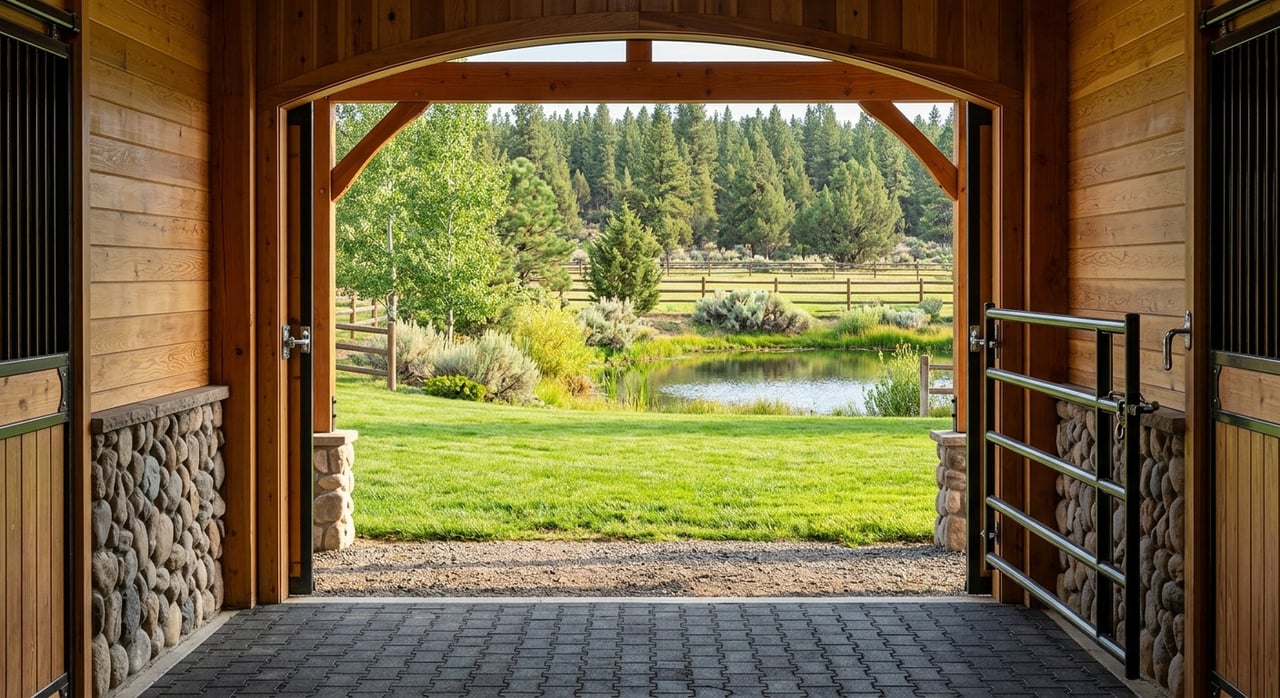
If you are selling a horse property in Tumalo, you are not just putting a home on the market. You are presenting land, water, access, infrastructure, and day-to-day usability all at once. That can feel like a lot to organize, but with the right timeline and preparation, you can make your property easier for buyers to understand and easier to sell. Let’s dive in.
Why Tumalo horse properties need extra prep
Horse properties in Tumalo often involve more moving parts than a typical residential sale. Buyers are usually looking beyond the house itself and asking practical questions about pasture irrigation, fencing, barns, arenas, easements, and permitted uses.
Zoning is one of the first things that can shape value and buyer interest. In the Tumalo area, acreage may fall under TuR, RR-10, MUA-10, UAR-10, or EFU zoning, and each zone can affect how the property is used. Deschutes County notes that its zone summaries are informal, so it is important to confirm the property’s zoning directly before you list.
Water is another major factor. Tumalo Irrigation District manages water from Tumalo Creek and the Deschutes River, serves 685 patrons, and irrigates more than 7,400 acres, including pastures for livestock. Because of that, many buyers will weigh water access and district obligations just as carefully as they weigh the home and improvements.
Start 6 to 12 months ahead
The best time to prepare a Tumalo horse property for sale is often earlier than you think. If your property has any open questions about zoning, permits, water rights, or easements, those issues can take time to sort out.
Start by confirming the property’s current zoning and gathering records that support how the property is being used today. If there are barns, arenas, guest quarters, or accessory living spaces on site, buyers may ask whether those improvements were permitted as built.
This is also the right time to gather water-related records. Oregon Water Resources Department says its WRIS system is only a warehouse of information, and owners should rely on the actual water-right records. It also notes that water rights are generally appurtenant to the land and usually convey with the sale unless excluded.
If your property is tied to irrigation district infrastructure, contact the district early. OWRD notes that district-related transfers can involve extra issues, and Tumalo Irrigation District materials state that easements may limit structures, trees, and other uses in certain areas. Getting clarity now can prevent confusion later.
Pre-listing documents to collect
A strong seller packet can help serious buyers move from curiosity to confidence. Before listing, gather:
- Zoning confirmation
- Water-right records or conveyance history
- Irrigation district account details
- Irrigation easement or assessment information
- Well log and any well-test records
- Septic permit or site-evaluation records
- Maintenance records for barns, arenas, fencing, and pastures
The goal is simple. You want buyers to see an organized property with a clear paper trail, not a property full of unanswered questions.
Tackle improvements 2 to 3 months before photos
When buyers shop for horse property, they often notice function before finishes. A clean, capable setup can create a stronger impression than expensive decor if the land and facilities are what matter most to your likely buyer.
About two to three months before photos and marketing begin, focus on visible maintenance that supports daily use. This is the time to repair fences and gates, clean out barns, refresh arena footing, fix drainage issues, remove manure piles, control brush, and make sure trailer access is clear.
These updates do more than improve appearance. They help the property read as manageable, maintained, and ready for the next owner. In a market like Tumalo, that practical confidence matters.
What buyers notice first
As you prepare, pay close attention to the areas buyers are likely to inspect quickly:
- Entrance and driveway access
- Trailer turnaround space
- Pasture condition
- Fence alignment and safety
- Barn cleanliness and stall condition
- Arena usability and drainage
- Visibility of ditches, laterals, or crossings
If irrigation features or easements cross the property, understand where they are before photography and showings begin. Tumalo Irrigation District notes that easements can affect what is allowed near those areas, so knowing the layout in advance is helpful.
Prepare for Oregon well and septic requirements
If your property has a domestic well, Oregon has a specific seller requirement once the home goes under contract. The seller must test the well water for arsenic, nitrate, and total coliform bacteria and provide the results to the buyer and the Oregon Health Authority within 90 days.
OHA also says those test results are valid for one year. If you expect your property to sell within that window, having current results can make your file easier to manage and answer buyer questions faster.
For septic, the Oregon Department of Environmental Quality says evaluations are voluntary but recommended. If an evaluation is performed, it must use the approved Existing System Evaluation Report form. DEQ also advises buyers and sellers to review permit history, maintenance records, and replacement-area information.
Why this matters in escrow
Horse properties often draw buyers who are paying close attention to infrastructure. If your records are ready, you are in a much better position to respond quickly when questions come up about septic capacity, well testing, maintenance history, or replacement options.
Missing records do not always stop a sale, but they can slow one down. In a more nuanced acreage transaction, delays tend to create more follow-up, more uncertainty, and sometimes more negotiation pressure.
What your listing should answer upfront
A strong Tumalo horse-property listing should do more than describe the home and acreage. It should answer the operational questions that matter most to buyers.
Think about the listing as a first layer of due diligence. The more clearly you present the property’s basics, the more likely you are to attract buyers who understand what they are viewing.
Key questions to address
Your marketing and showing materials should be ready to answer:
- What zoning applies to the parcel?
- What uses are allowed under that zoning?
- Does irrigation water convey with the land?
- Are there irrigation district easements or assessments?
- Is there a current well test, and is it still within the one-year validity window?
- Is the septic system permitted and maintained?
- Are barns, arenas, guest quarters, or ADUs permitted as built?
This kind of clarity helps buyers compare your property fairly. It also reduces the risk that a showing turns into speculation instead of serious interest.
Understand the Oregon disclosure timeline
In Oregon, the seller disclosure process is based on your actual knowledge and is not a warranty. That makes accuracy and completeness especially important when you are selling a property with acreage and multiple improvements.
The state also provides buyers with a five-day right to revoke after delivery of the seller disclosure statement, unless that right is waived. If paperwork is delayed or incomplete, the transaction can lose momentum at a sensitive stage.
For that reason, it helps to prepare disclosures and supporting records as early as possible. When your information is organized before listing, you are less likely to be scrambling once a buyer is in escrow.
A simple Tumalo selling timeline
Here is a practical way to think about the process.
6 to 12 months before listing
- Confirm zoning
- Review permits for major improvements
- Gather water-right and irrigation district records
- Locate well and septic documents
- Identify easement questions or access issues
- Start early on any issue that may require agency review
If a water-right change may be needed, begin as soon as possible. OWRD says transfer review can take a significant period.
2 to 3 months before photos
- Repair fences and gates
- Clean barns and outbuildings
- Refresh arena footing if needed
- Address drainage concerns
- Remove manure and excess clutter
- Improve brush control and access routes
- Check trailer approach and turnaround areas
This is your property’s presentation phase. Buyers should see order, function, and care.
At listing and during escrow
- Be ready to explain water source and irrigation setup
- Provide information on assessments and easements
- Share well-test status and timing
- Provide septic records if available
- Respond clearly to questions about permits and improvements
A calm, well-documented file can make a complex property feel much more straightforward.
Why local strategy matters in Tumalo
Selling a horse property in Tumalo requires more than attractive photos and a price opinion. It takes a clear understanding of acreage buyers, equestrian expectations, irrigation realities, and the records that support value.
That is especially true when buyers are comparing not just homes, but the full working setup of each property. A barn, irrigated pasture, or arena can add appeal, but only if buyers can quickly understand how the property functions and what comes with it.
When your sale is handled with strong preparation and clear communication, you give buyers what they need to act with confidence. That usually leads to better conversations, cleaner negotiations, and a more efficient path from listing to closing.
If you are thinking about selling a horse property in Tumalo, Heather Osgood offers practical, locally grounded guidance for acreage and equestrian sales across Central Oregon.
FAQs
What makes selling a horse property in Tumalo different from selling a regular home?
- Tumalo horse properties often involve zoning, irrigation, water rights, easements, wells, septic systems, barns, arenas, and pasture improvements, so buyers usually evaluate both the home and the land’s day-to-day function.
What records should you gather before listing a Tumalo horse property?
- Start with zoning confirmation, water-right records, irrigation district information, well logs and tests, septic permits or evaluations, and maintenance records for fencing, barns, arenas, and pastures.
What well testing is required when selling a property in Oregon with a domestic well?
- Once the property is under contract, the seller must test for arsenic, nitrate, and total coliform bacteria and provide the results to the buyer and the Oregon Health Authority within 90 days.
Should you get a septic evaluation before selling a Tumalo acreage property?
- A septic evaluation is voluntary but recommended by DEQ, and if one is done, it must use the approved Existing System Evaluation Report form.
Why do irrigation easements matter when selling a Tumalo horse property?
- If the property is served by Tumalo Irrigation District infrastructure, easements may affect where structures, trees, or other uses are allowed, so buyers often want that information early.
How early should you start preparing to sell a horse property in Tumalo?
- It is often smart to start 6 to 12 months before listing so you have time to confirm zoning, gather water and septic records, and address any permit or easement issues.